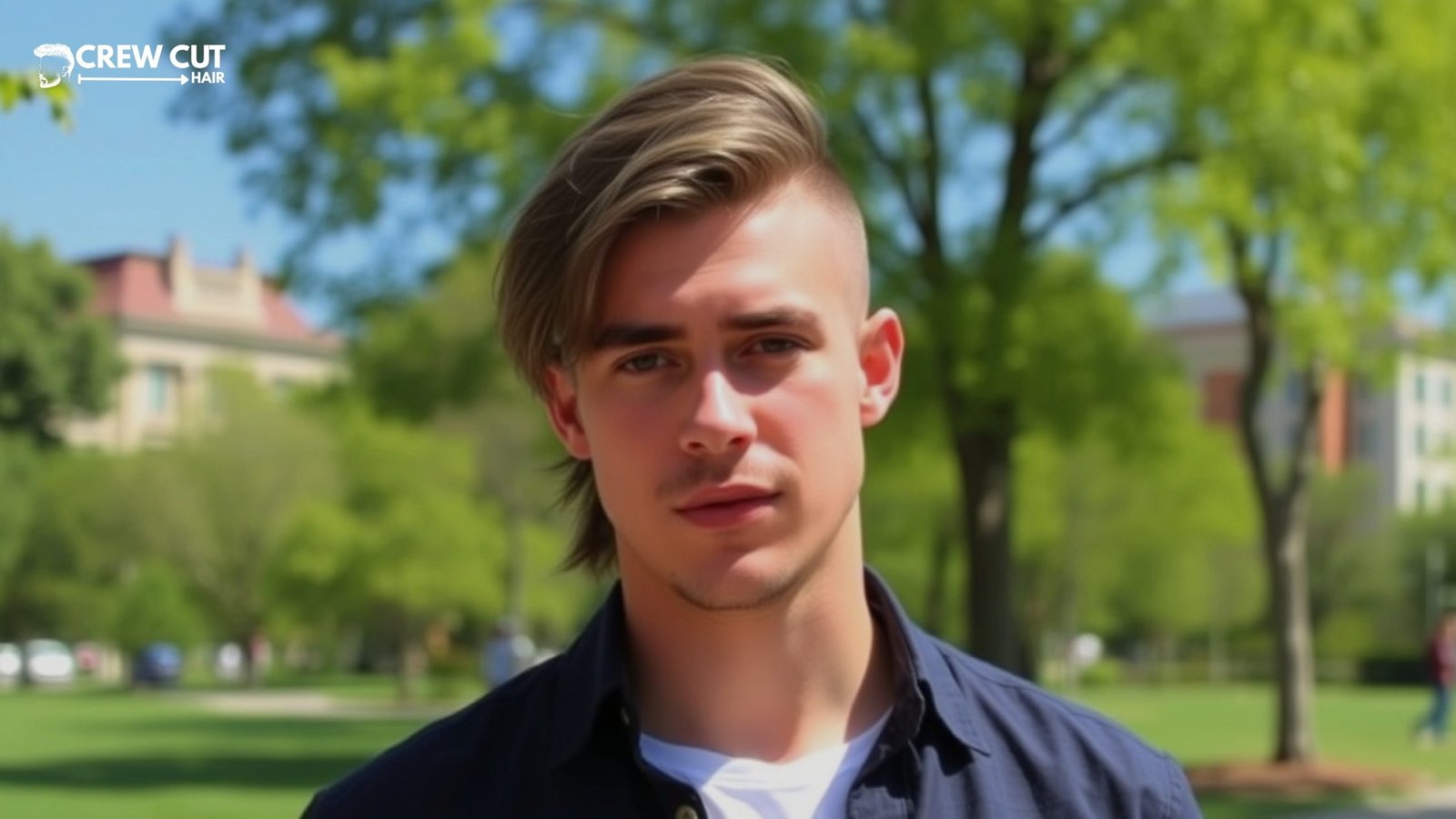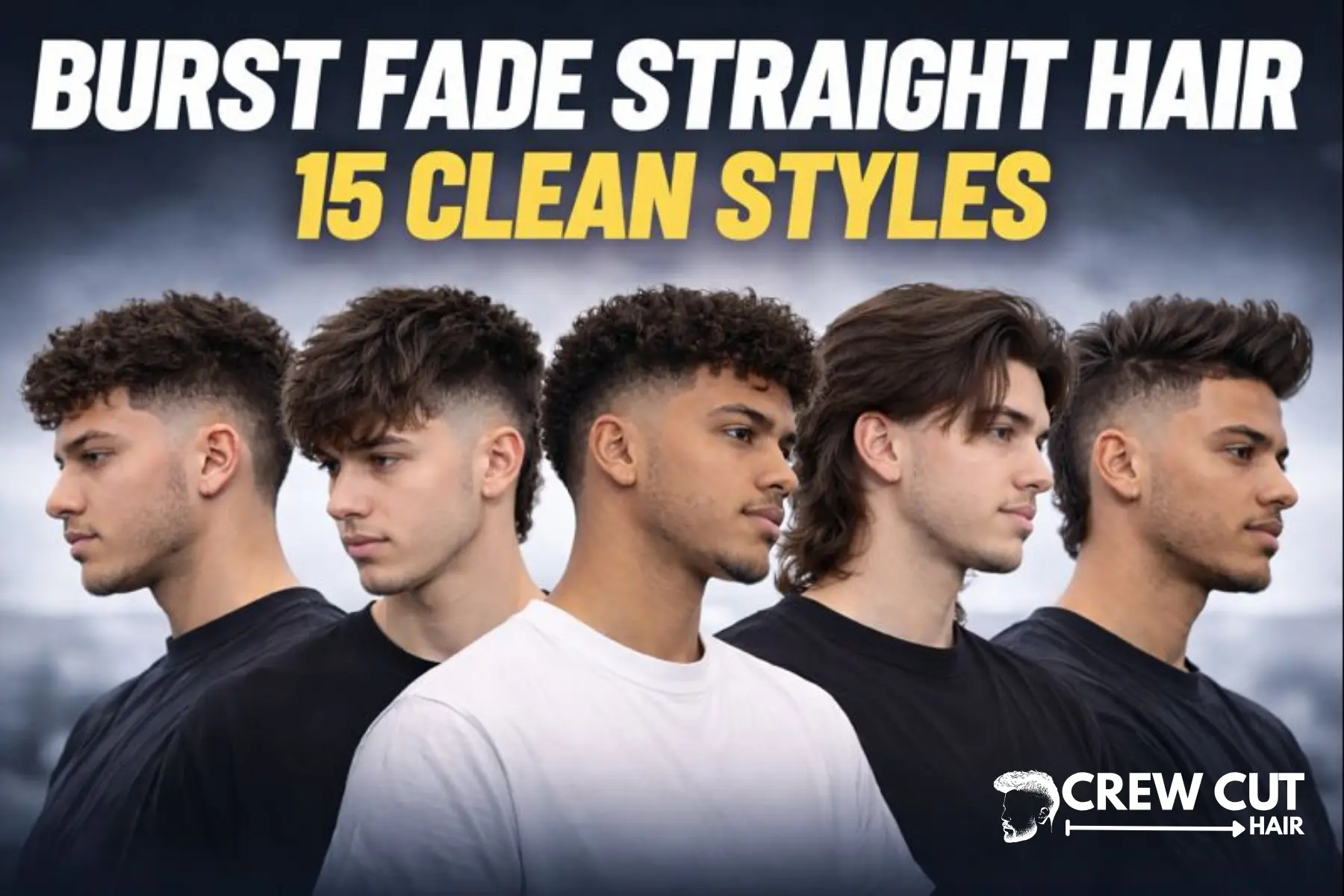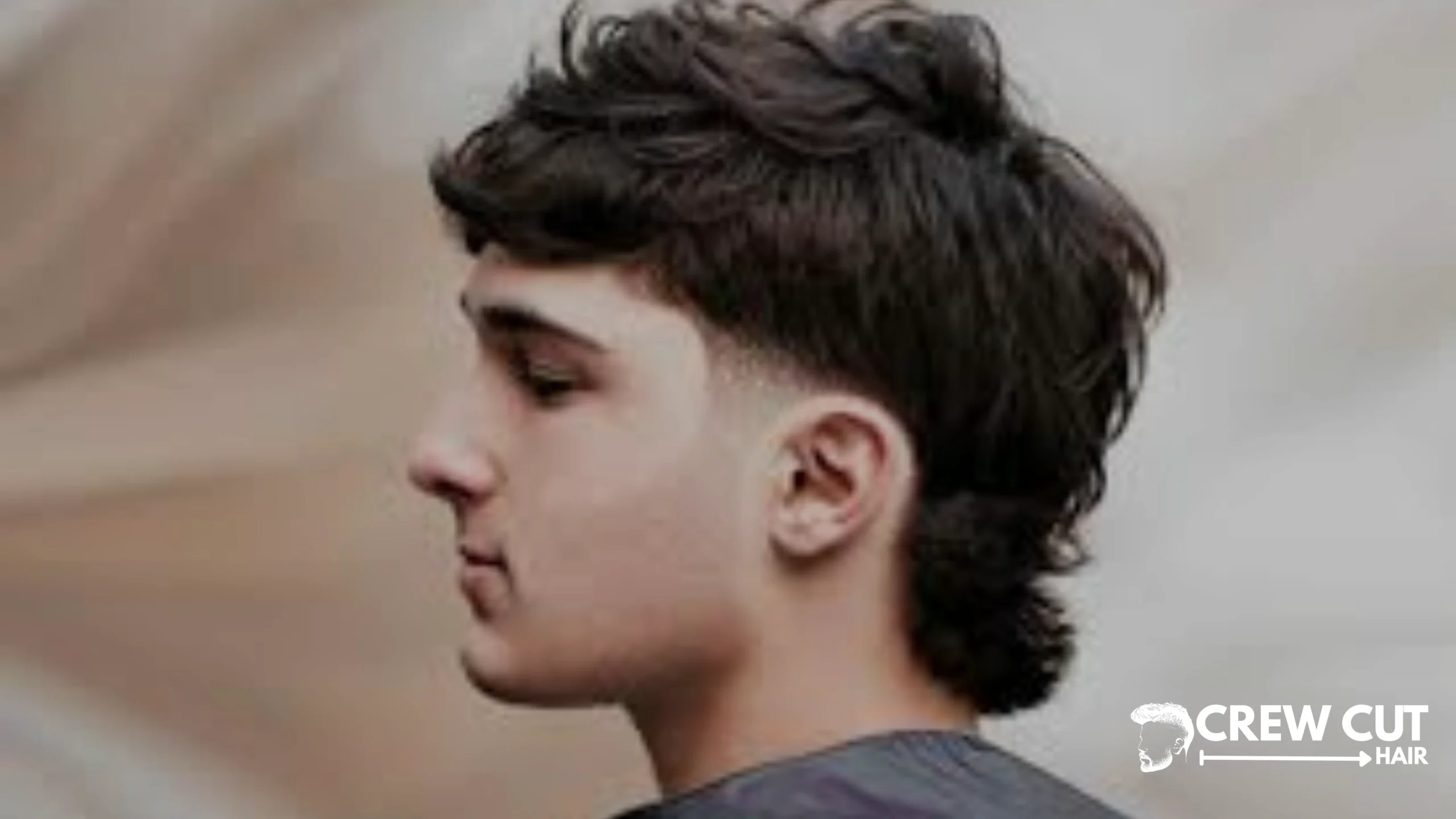
Many men want a bold haircut but fear a messy, old look. The modern mullet fixes that with clean sides, a textured top, and a flowing back that looks sharp at work and strong on weekends. In this guide, you will see what a modern mullet is, the best styles for different hair types, and an easy plan to keep it neat.
You will learn the differences between a modern mullet fade, a modern mullet taper, a burst fade modern mullet, a short modern mullet, a curly modern mullet, and a modern mullet for straight hair. Clear steps and simple care tips will help you pick a version that fits your face, your routine, and your style.
Table of Contents
-
What Is a Modern Mullet
-
Who It Suits by Hair Type and Face Shape
-
Variations and When to Choose Them
-
Face Shapes and Hair Types
-
Length and Fringe
-
How to Ask Your Barber
-
Daily Styling and Care
-
Care and Upkeep
-
Beards with a Mullet
-
Common Problems and Fast Fixes
-
Trends and Fresh Ideas
-
Conclusion
What Is a Modern Mullet
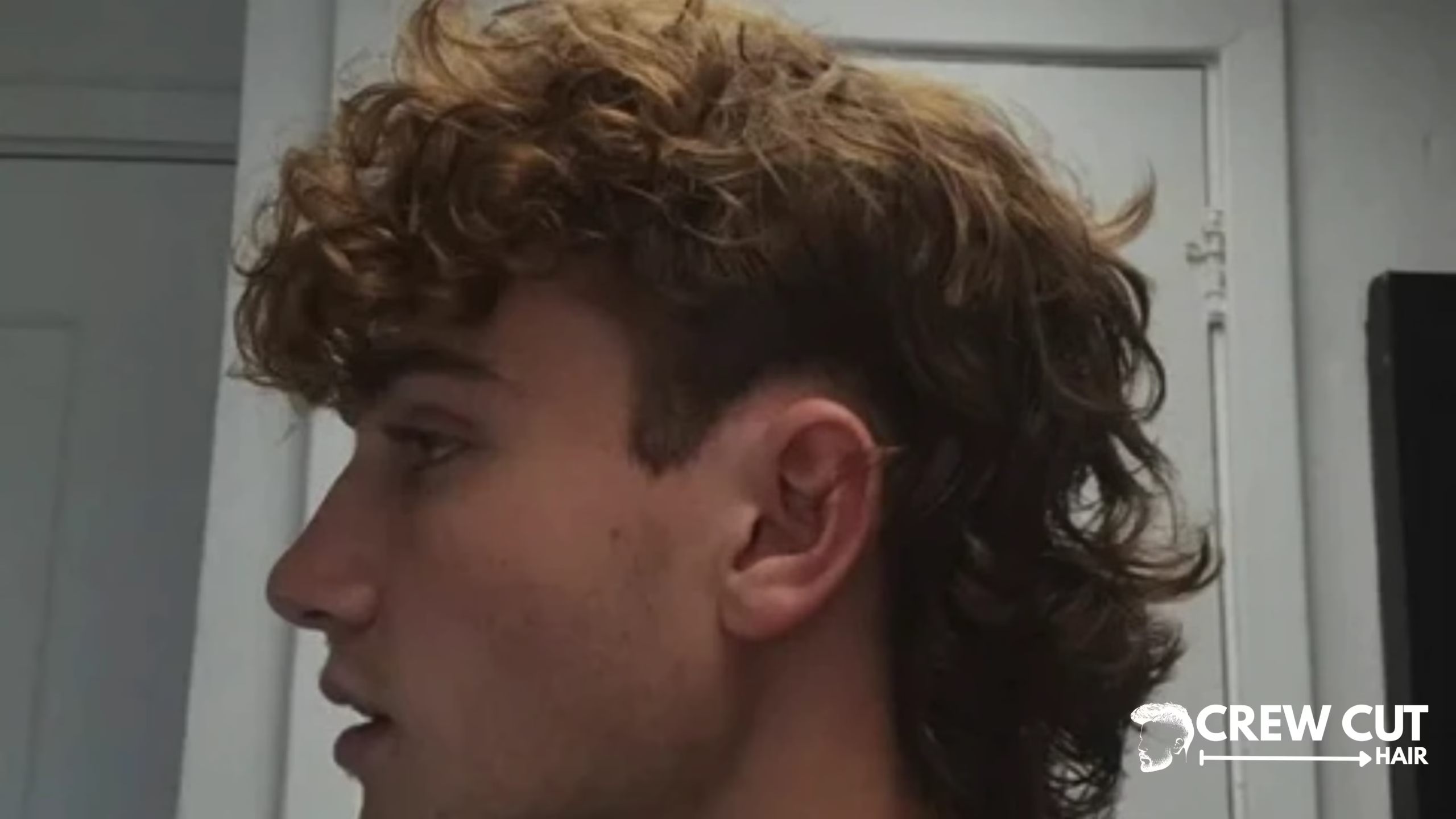
A modern mullet keeps the sides short with a fade or taper, shapes the top with light texture, and leaves the back longer with layered movement. The blend frames the face, the layers stop bulk, and the result feels current. From the front it reads clean and planned. From the side it shows soft flow. The routine is quick once the cut is balanced.
Who It Suits by Hair Type and Face Shape
Straight hair needs a layered back and matte hold so the outline stays light. Wavy hair likes clean sides and a natural, airy back. Curly hair needs soft layers and hydration so curls sit defined.
Oval faces wear most versions with small tweaks. Round faces gain shape from height and tight sides. Square faces soften with slight fullness near the temples. Long faces balance with a short fringe or crop touch.
Variations and When to Choose Them
1) Modern Mullet Fade
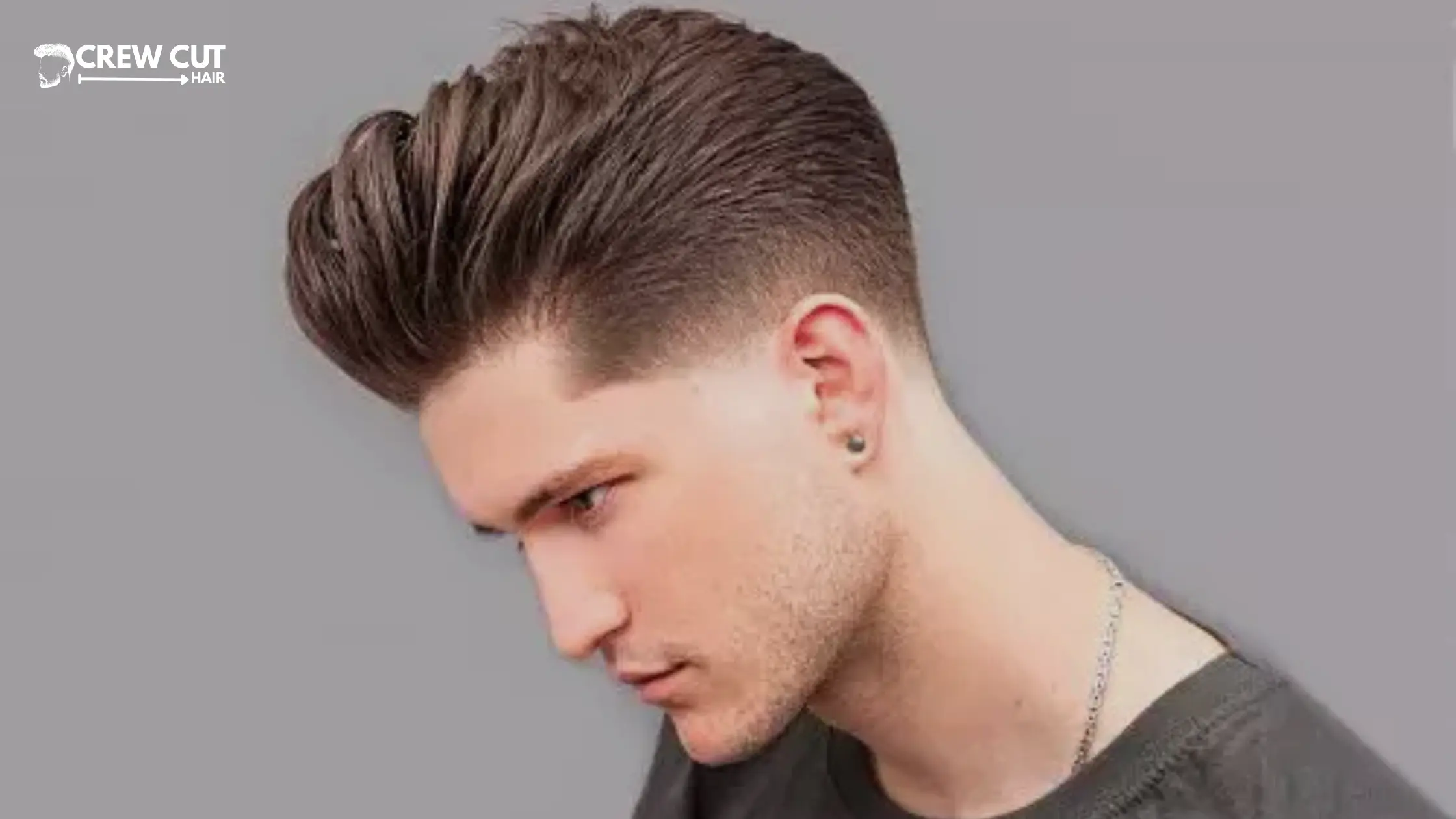
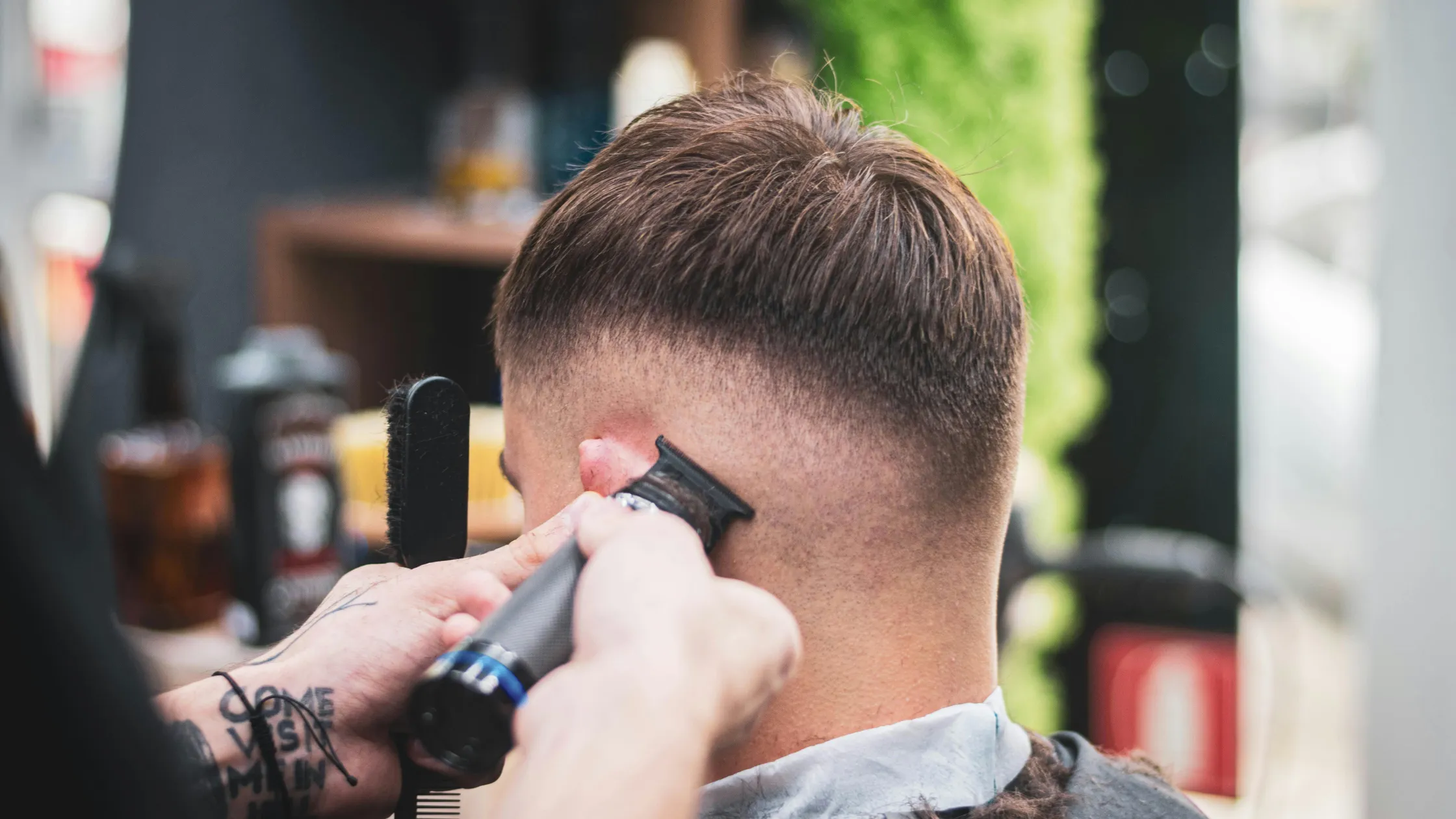
A fade mullet gives the cleanest outline. Low fades keep soft shadow and feel calm. Mid fades balance contrast with smooth blends. High fades push focus to the top and the flowing back. A skin fade sharpens edges near the hairline. Pick a fade if your hair is thick, if the sides puff, or if you want a modern, high-contrast profile that stays neat.
2) Modern Taper Mullet
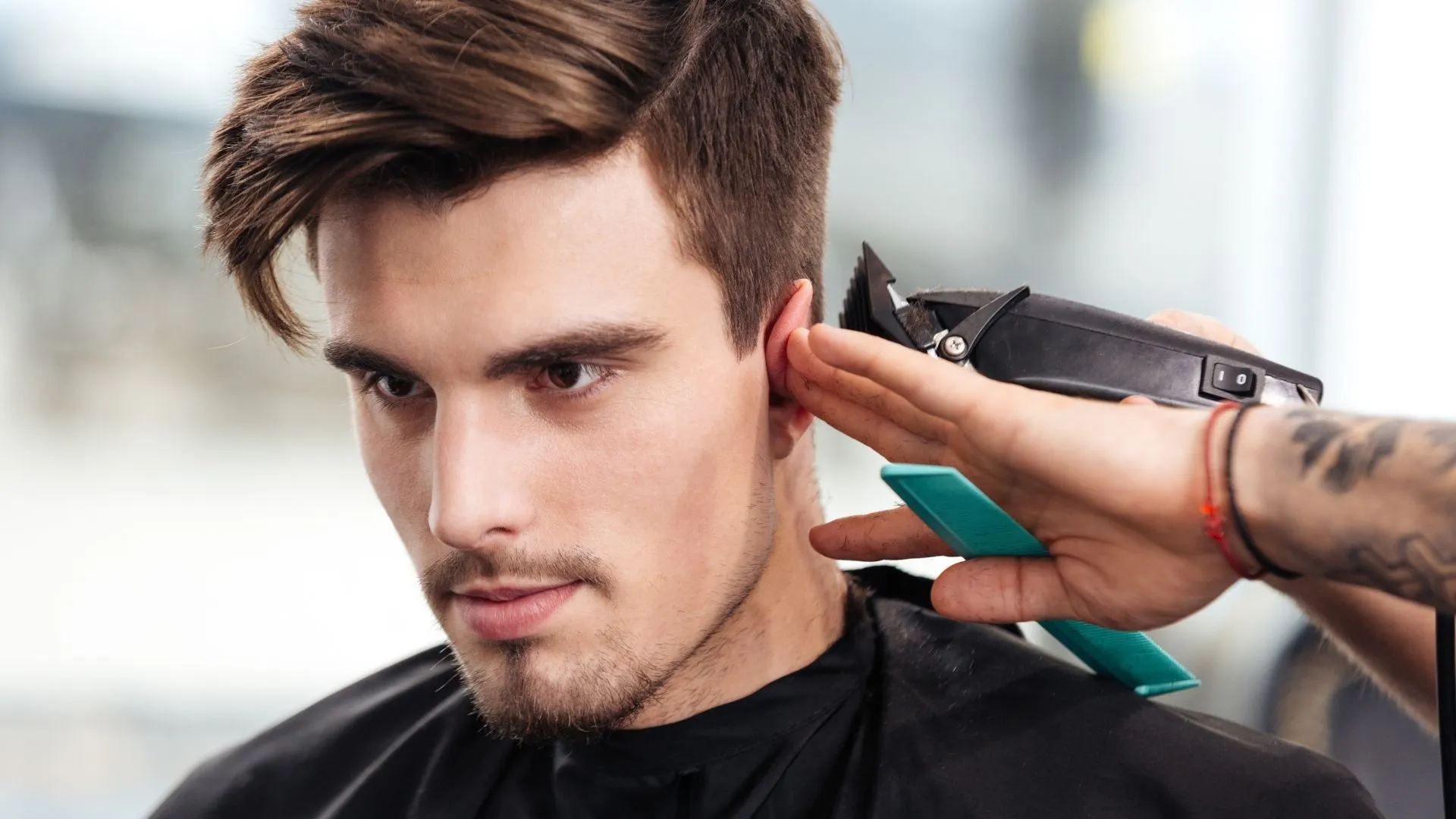
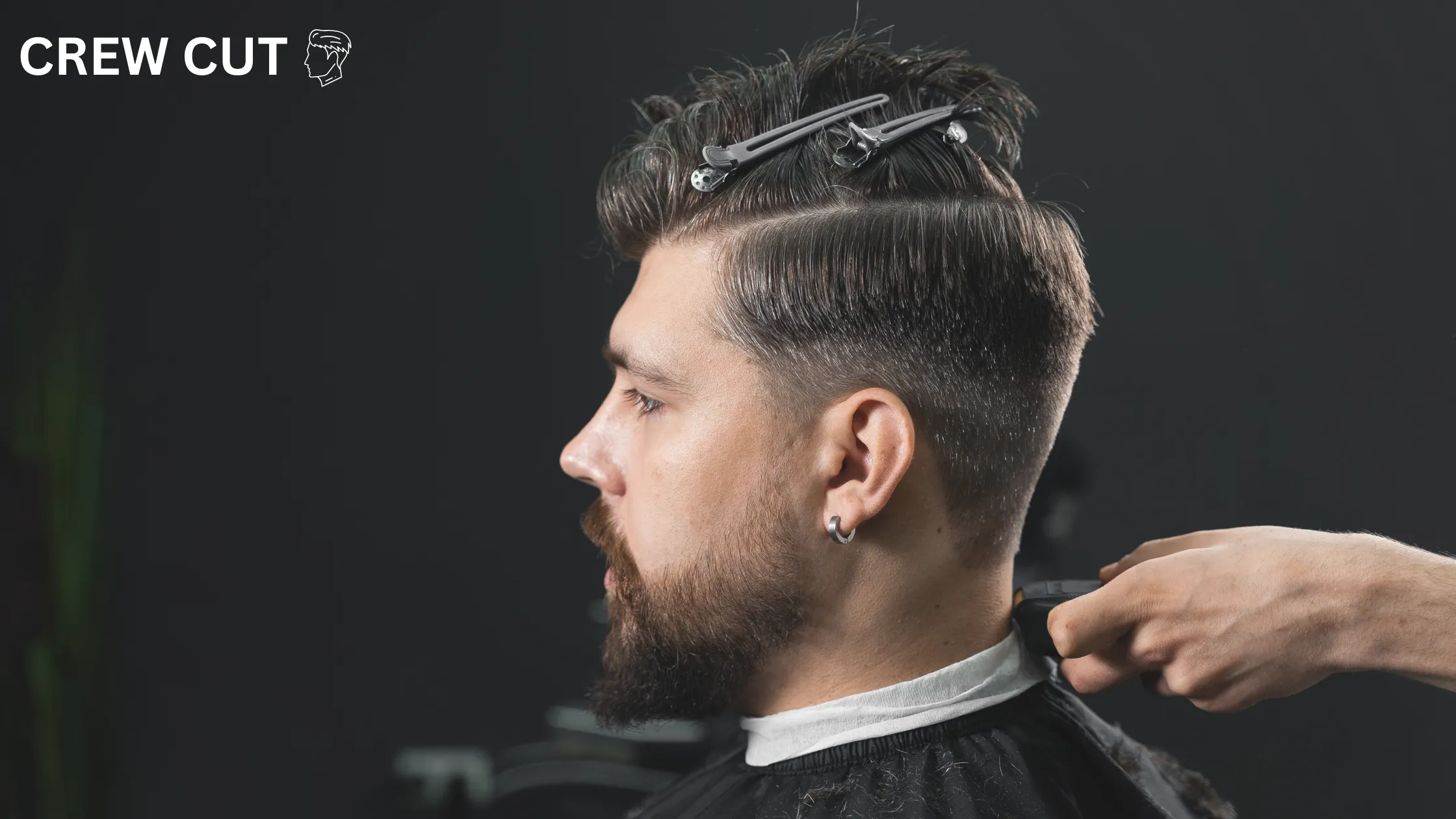
A taper mullet narrows at the sideburn and neckline with a natural edge. It looks soft, clean, and easy to wear in offices. A high taper adds pop without a hard wall. A low taper reads subtle and grows out well. Choose a taper when you want gentle blends, a relaxed vibe, and a shape that keeps balance between trims while still showing a flowing back.
3) Burst Fade Mullet
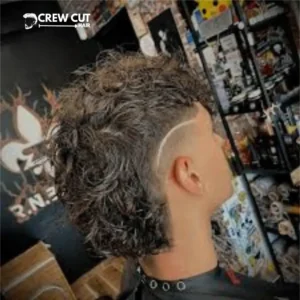
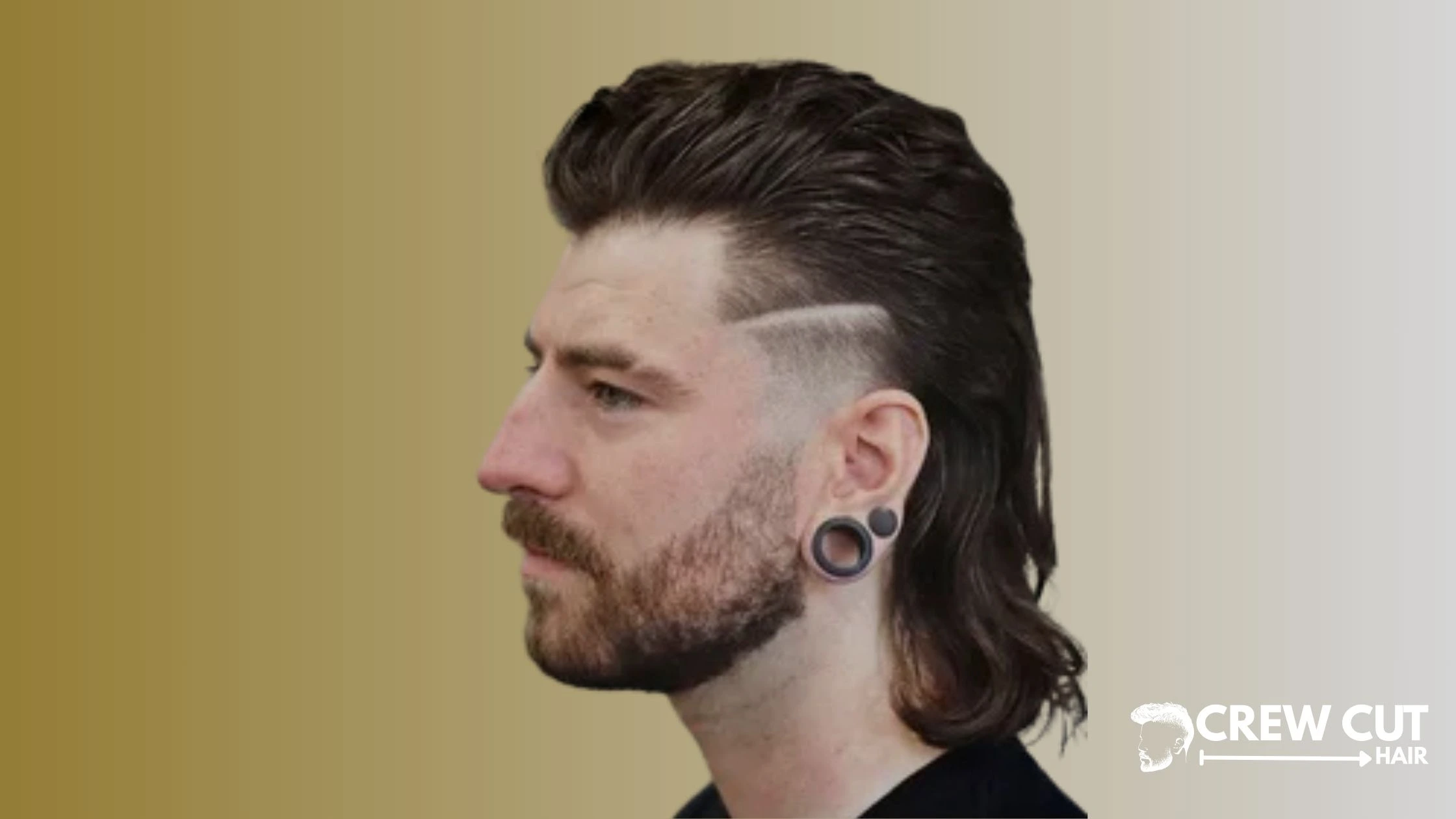
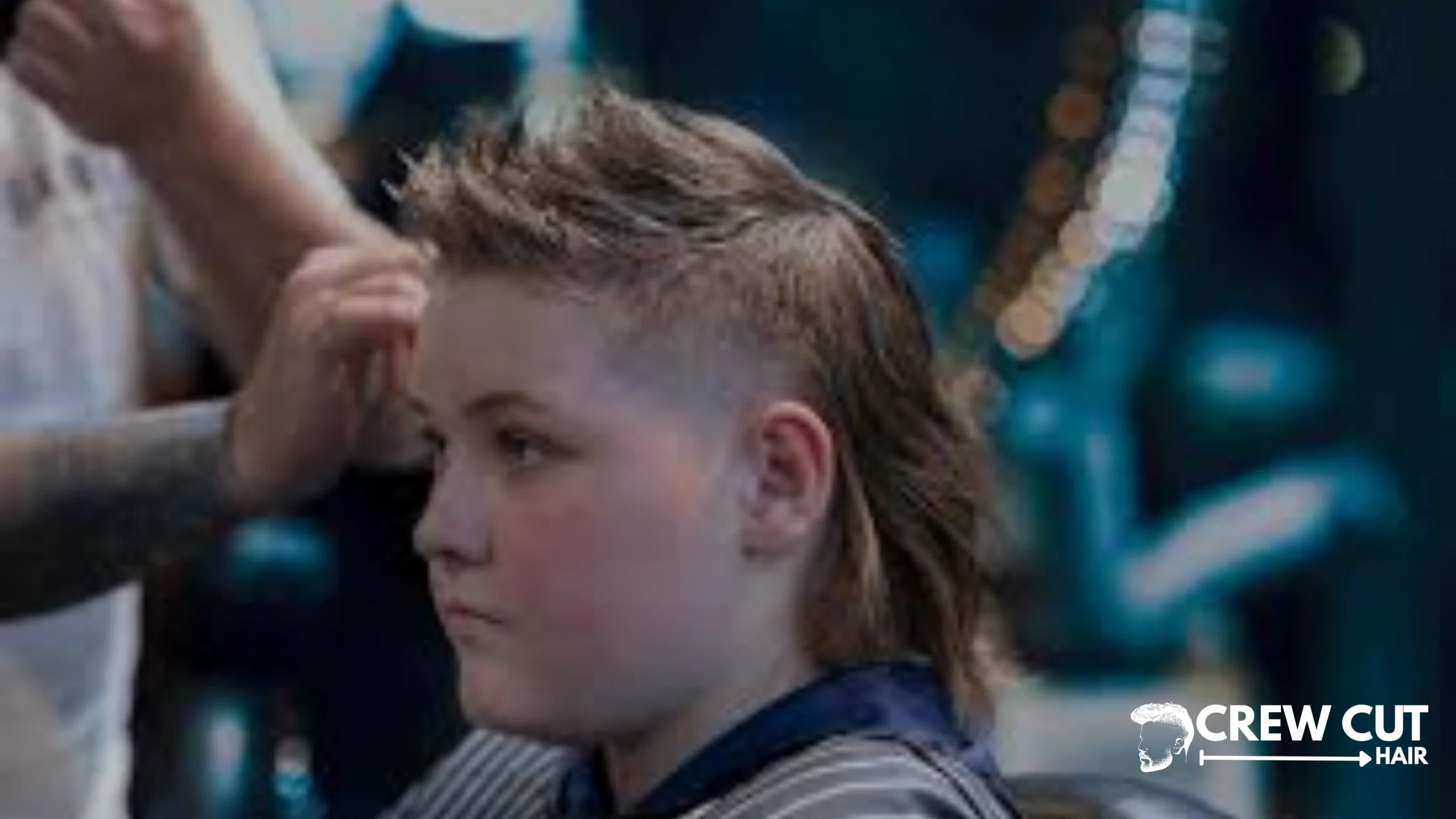
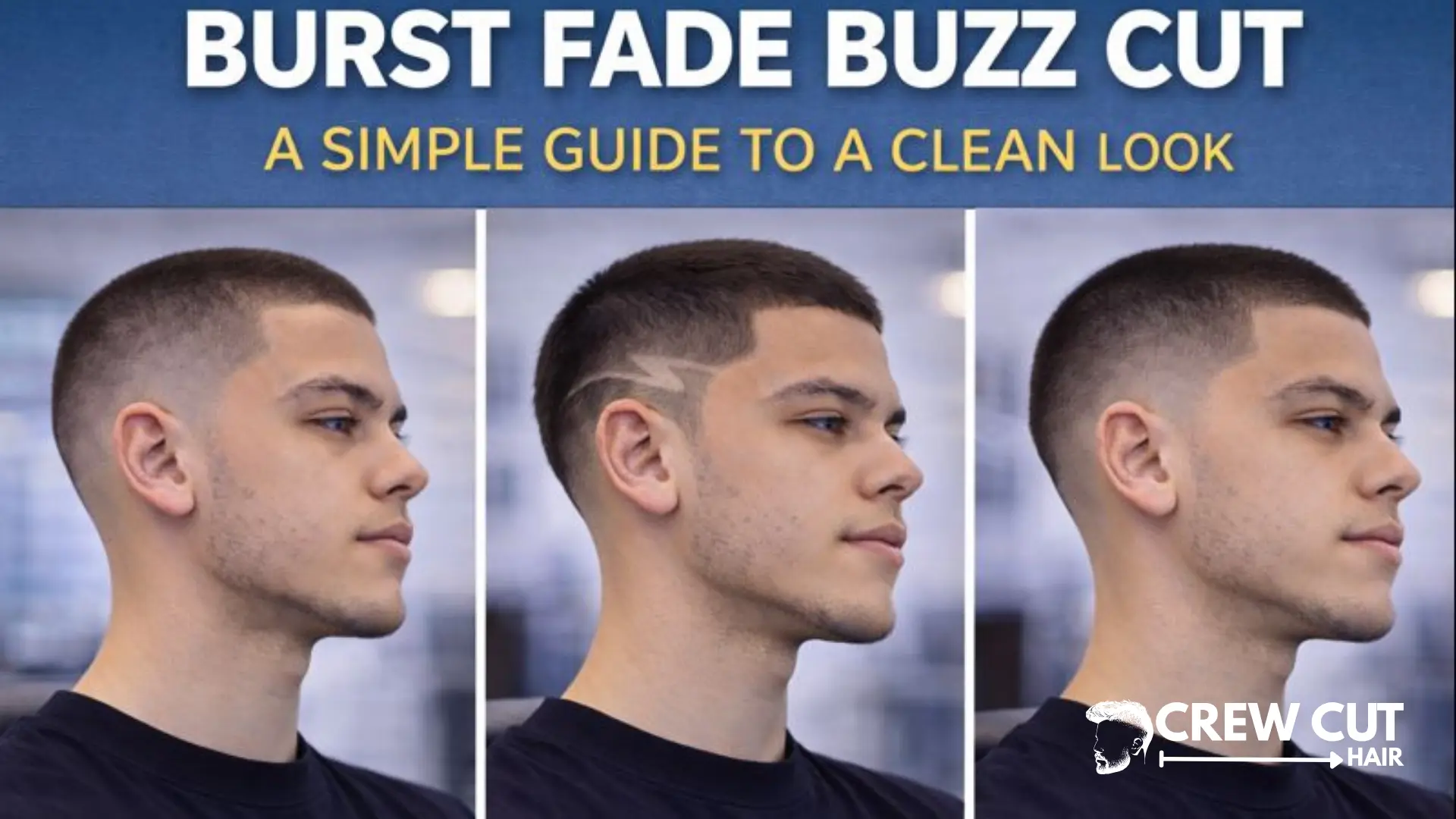
A burst fade mullet curves the fade around the ear and blends into the longer back. The arc removes weight where hair can puff and creates a custom side view. Add a V finish if you want a pointed outline. Choose this version when you want bold style that still feels tidy, photographs well from the side, and keeps the neckline controlled for daily wear.
4) Short Modern Mullet
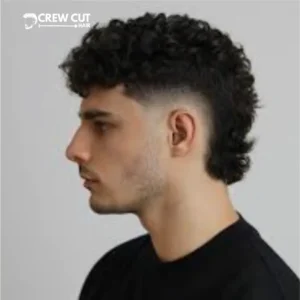
The short modern mullet keeps the back modest and the routine simple. The top has texture for movement and the sides are tapered or lightly faded. It grows out clean and suits fine or straight hair. Choose this if you want fast styling, a neat work profile, and a subtle mullet shape that still shows modern flow without heavy maintenance.
5) Curly Modern Mullet
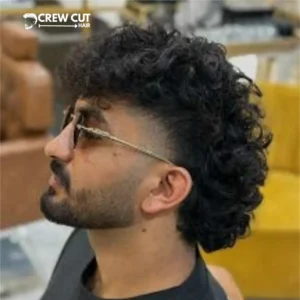
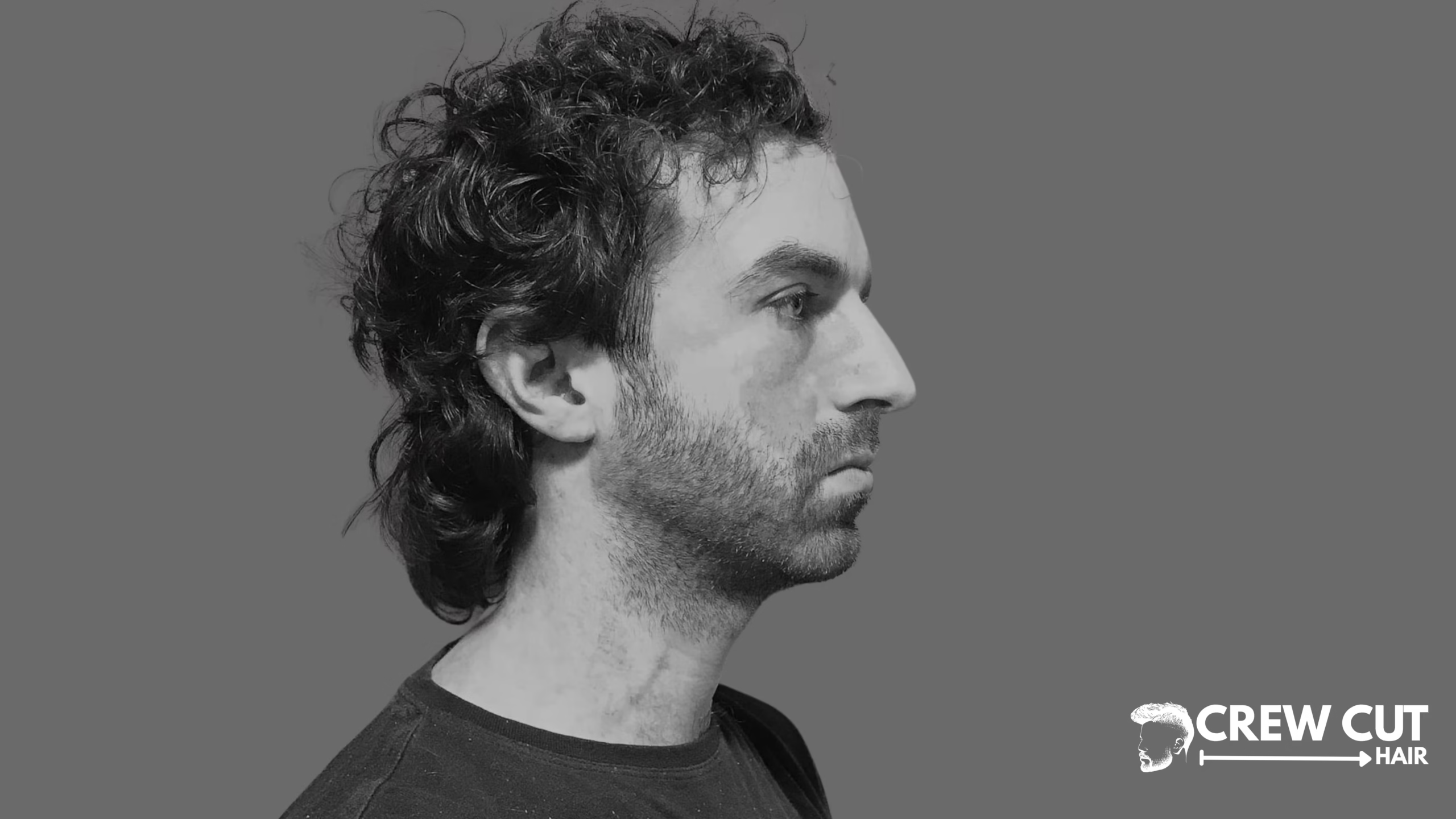
The curly modern mullet shows curl pattern while the sides stay tidy. Soft layers in back remove bulk and prevent a triangle shape. Use a light curl cream and a diffuser on low heat for definition. Choose this if you want movement, low shine, and a style that looks intentional without stiff hold, with curls that frame the face and stay lively through the day.
6) Modern Mullet for Straight Hair
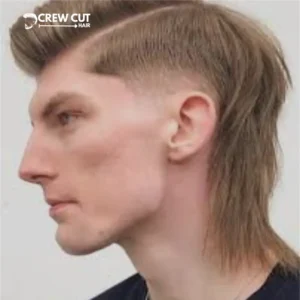
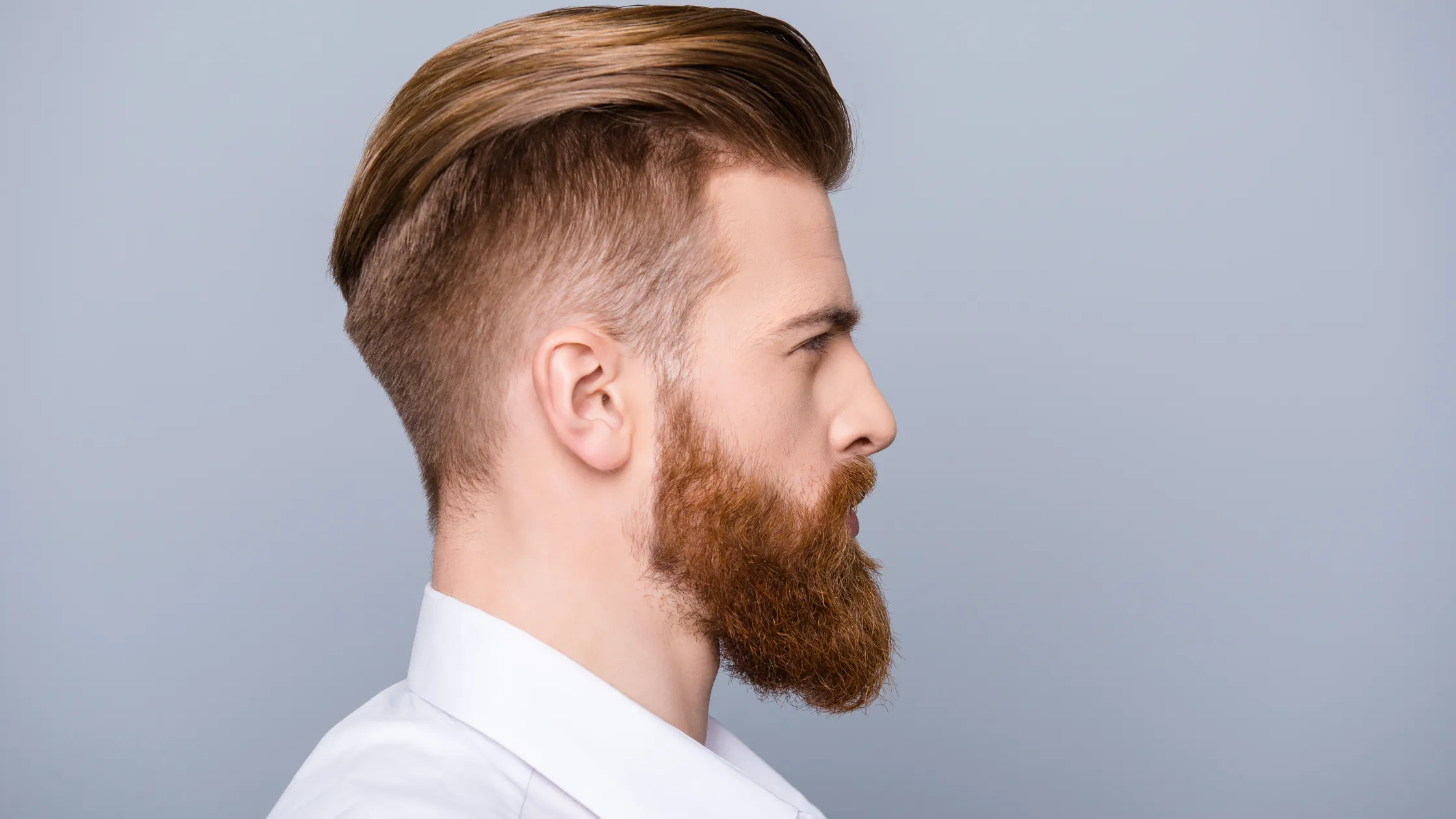
Straight hair needs a layered back and a textured top so the profile does not look flat. A short fringe or crop touch can shorten a long face. Matte clay adds grip without shine. Choose this if you want a clean, work-ready front with soft flow in back, quick styling, and a balanced outline that stays light as it grows out.
Face Shapes and Hair Types
Use this quick table once to choose a strong starting point. Adjust length and texture to match your taste.
| Feature | Good starting option | Why it helps |
|---|---|---|
| Oval face | Any version, try a modern mullet taper or fade | Natural balance suits most shapes |
| Round face | More height on top and tighter sides | Adds angles and visual length |
| Square face | Keep slight fullness near the temples | Softens a boxy outline |
| Long or oblong face | Less height on top, consider a soft fringe | Brings balance to facial length |
| Straight hair | Layered back with light texture on top | Prevents a heavy block |
| Wavy hair | Clean sides and a flowing back | Uses natural movement |
| Curly hair | Layered back with tidy sides | Avoids bulky triangle shape |
| Fine hair | Short modern mullet with matte finish | Adds grip and body |
| Thick hair | Modern mullet fade or burst fade | Contrast controls weight |
Length and Fringe
Most people do well with two to four inches on top so there is room to style. The sides stay tidy with a fade or a taper. The back often sits around collar length for a modern look. A fringe is optional. A textured fringe adds play to thick hair. A soft fringe suits wavy and curly hair. Keeping the forehead open pairs well with clean fades and straight hair.
How to Ask Your Barber
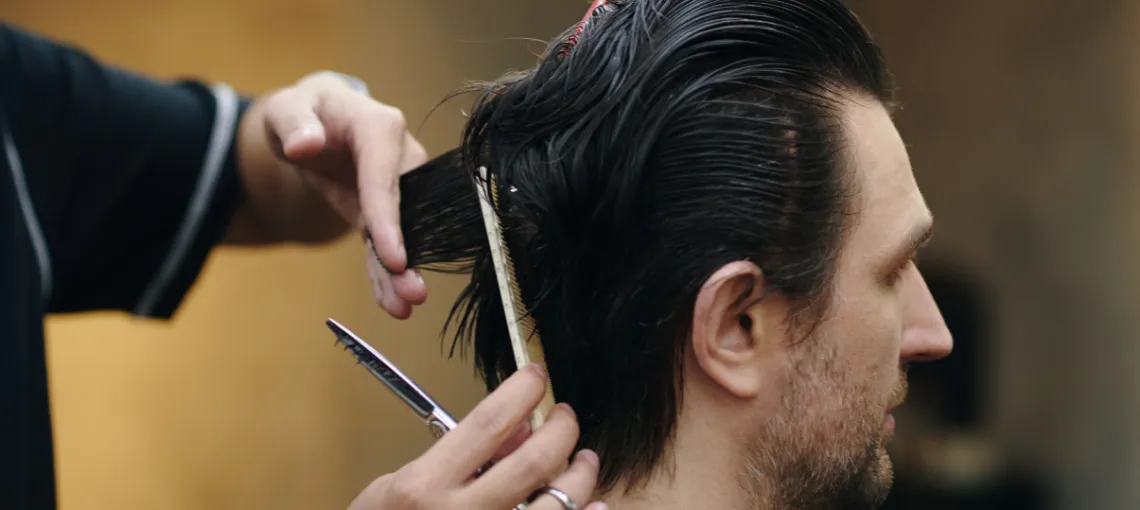
Say you want a modern mullet with blended sides, a light textured top, and a layered back. Choose your side finish by naming fade, taper, or burst, and set the level as low, mid, or high. Point to a clear back length such as collar or slightly shorter. Ask for a neat neckline for office needs, or a V finish for extra edge. Confirm a low-shine product plan.
Daily Styling and Care
Start with towel-dried hair. Use sea salt spray for straight or fine hair. Use a light curl cream or leave-in for curls and waves. Dry on low to medium heat. A diffuser helps pattern hold. Work a fingertip of matte paste or clay through the back first, then the top, and set the fringe last. Trim every four to six weeks and condition mid-lengths and ends so the back stays healthy.
Care and Upkeep
Trim every four to six weeks to keep the blend smooth and the back balanced. Wash two to four times per week based on oil level and condition the mid lengths and ends so the back stays healthy. If hair feels dry, use a gentle shampoo and add a weekly conditioner or mask.
A satin pillowcase reduces friction at night and helps curls and waves keep their shape. Lightly tidy the neckline and sideburns between trims if you like a very clean outline.
Beards with a Mullet
A mullet with a beard reads strong when edges are tidy. Match the height of the fade to the top of the beard so the blend feels planned. Keep cheek lines neat. If growth is patchy, short stubble keeps focus on the haircut. A clean neckline and layered back help the beard and hair meet smoothly for a balanced, confident profile.
Common Problems and Fast Fixes
If the back feels heavy, add layers and take a slight trim so it moves. If the top looks flat, add light texture or lift at the roots while drying. If the sides puff, lower the fade or tighten the taper to reduce width. If products look shiny, switch to a matte finish and use less. Start small, then add more only if needed.
Trends and Fresh Ideas
Soft and fluffy mullets are rising for airy movement. Low taper versions with flowing backs feel refined. Mid fades with short textured tops stay popular for clean lines. Curly and wavy takes lead because they show natural pattern without bulk. Straight hair looks fresh with a short fringe or crop touch that keeps the front composed while the back stays light.
Conclusion
The modern mullet is simple when you balance clean sides, a textured top, and a layered back. Pick a fade, taper, or burst that suits your lifestyle, set a back length that feels right, and keep a short routine with low-shine products. Trim on time and the shape will stay sharp. Ready to upgrade your cut this week? Save this guide, show it to your barber, and lock in your best modern mullet.