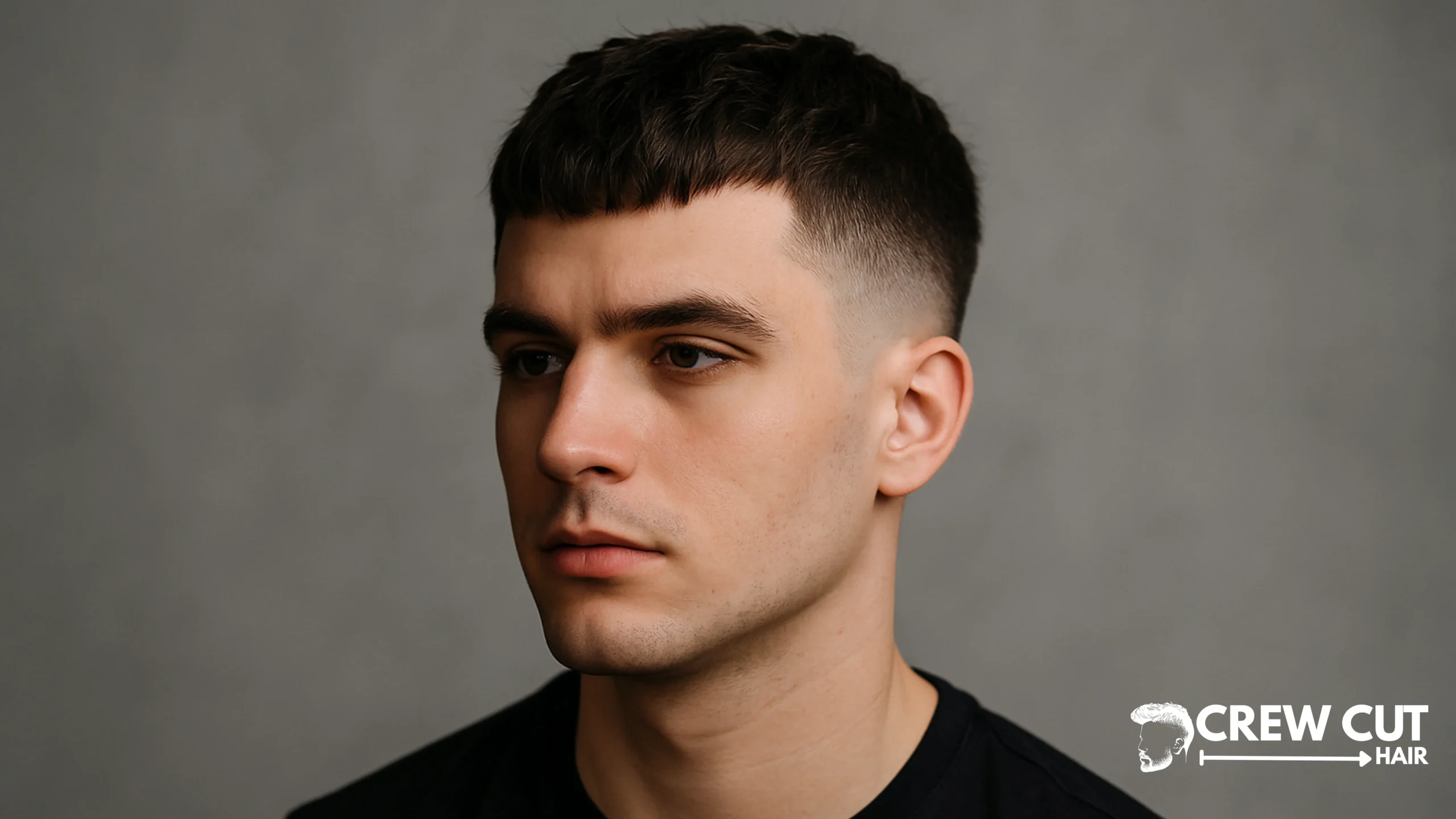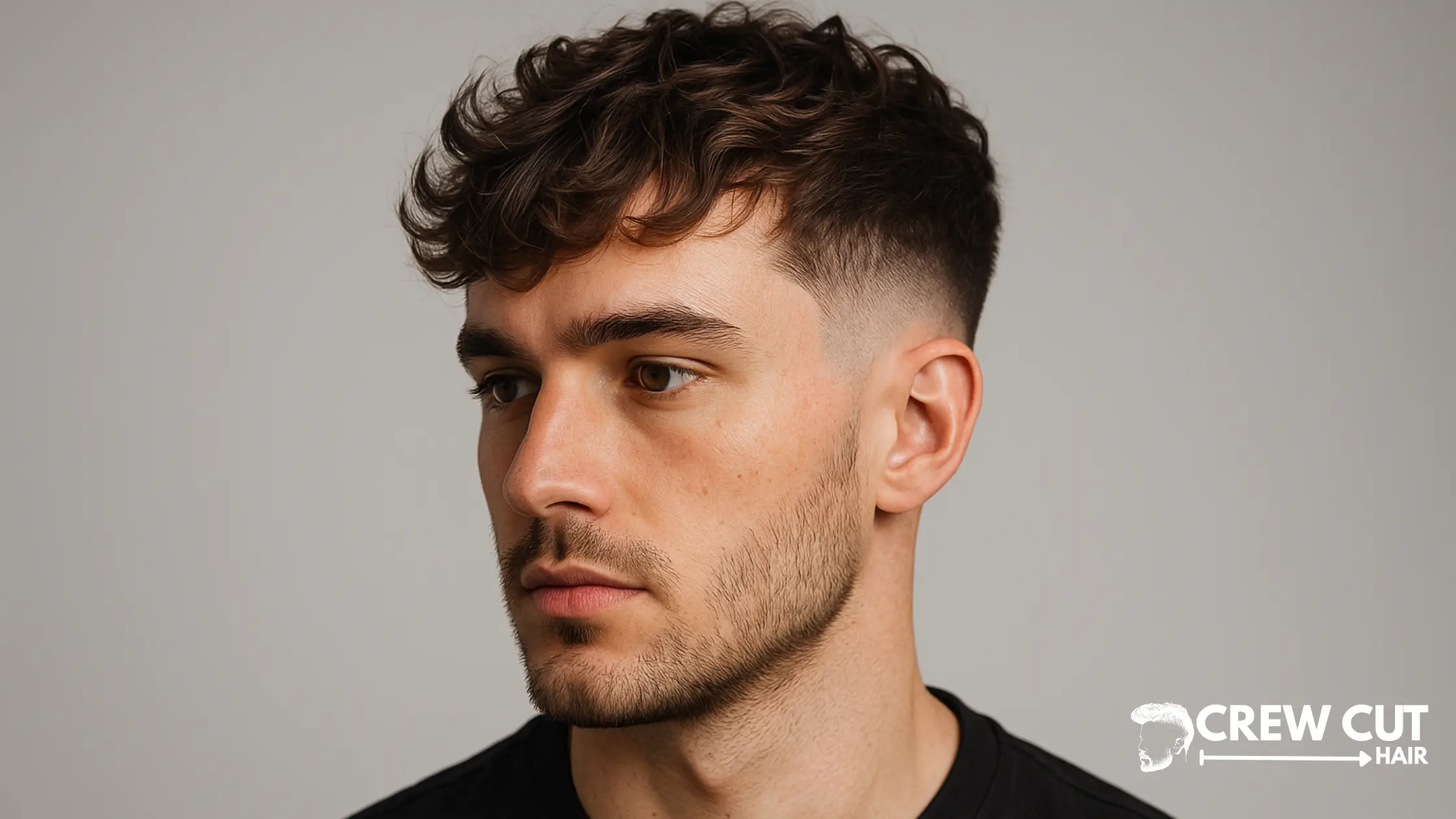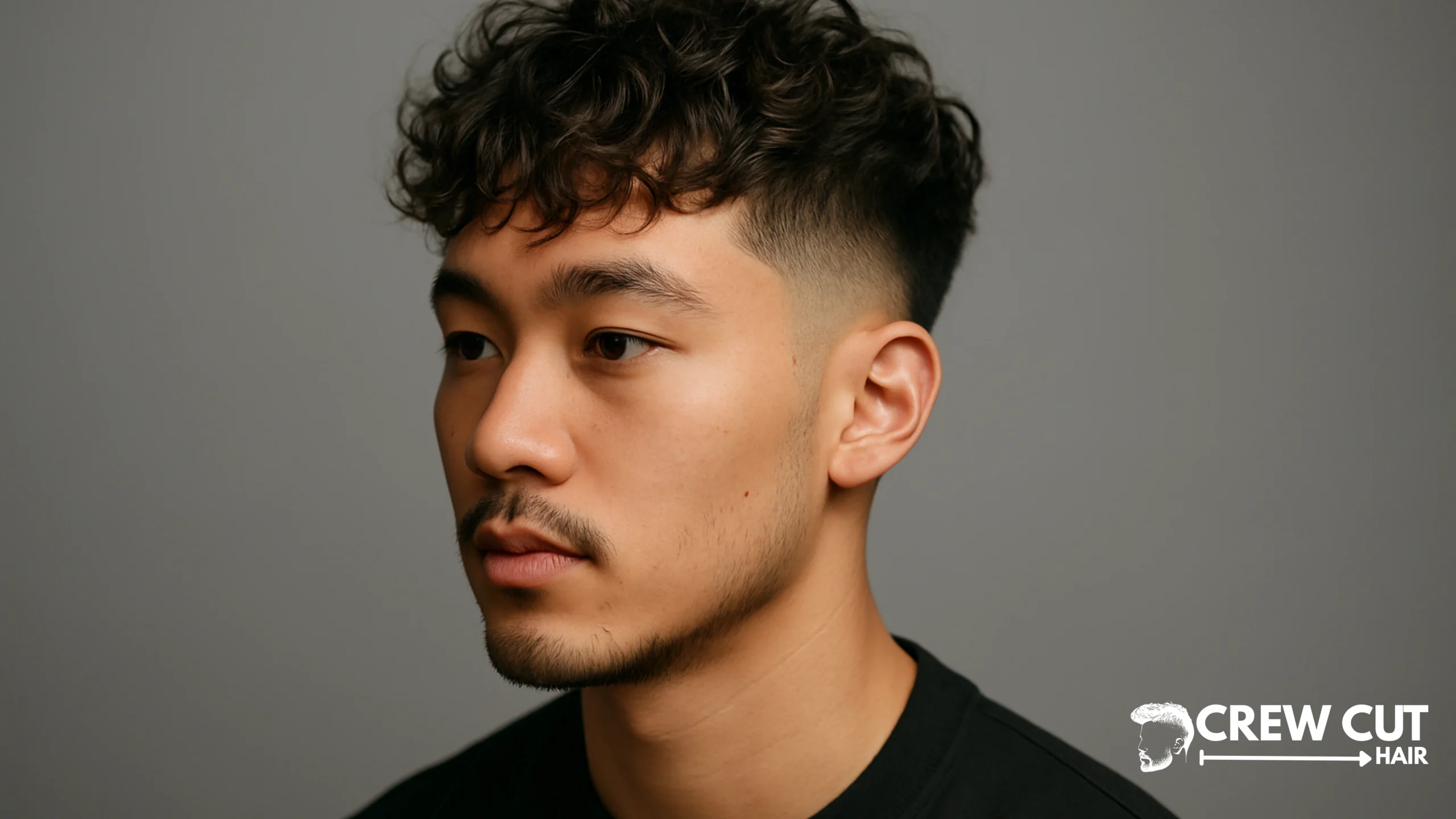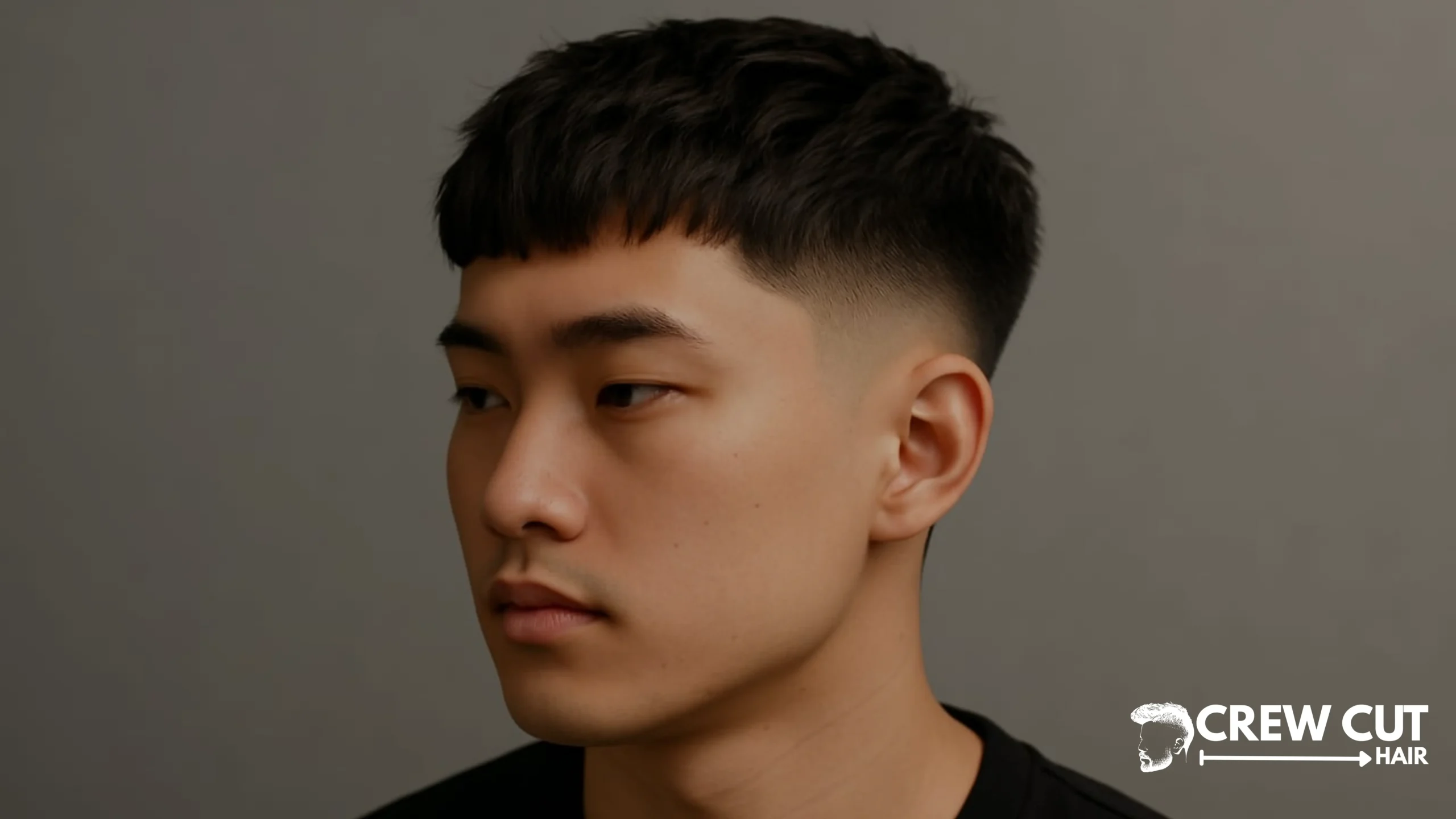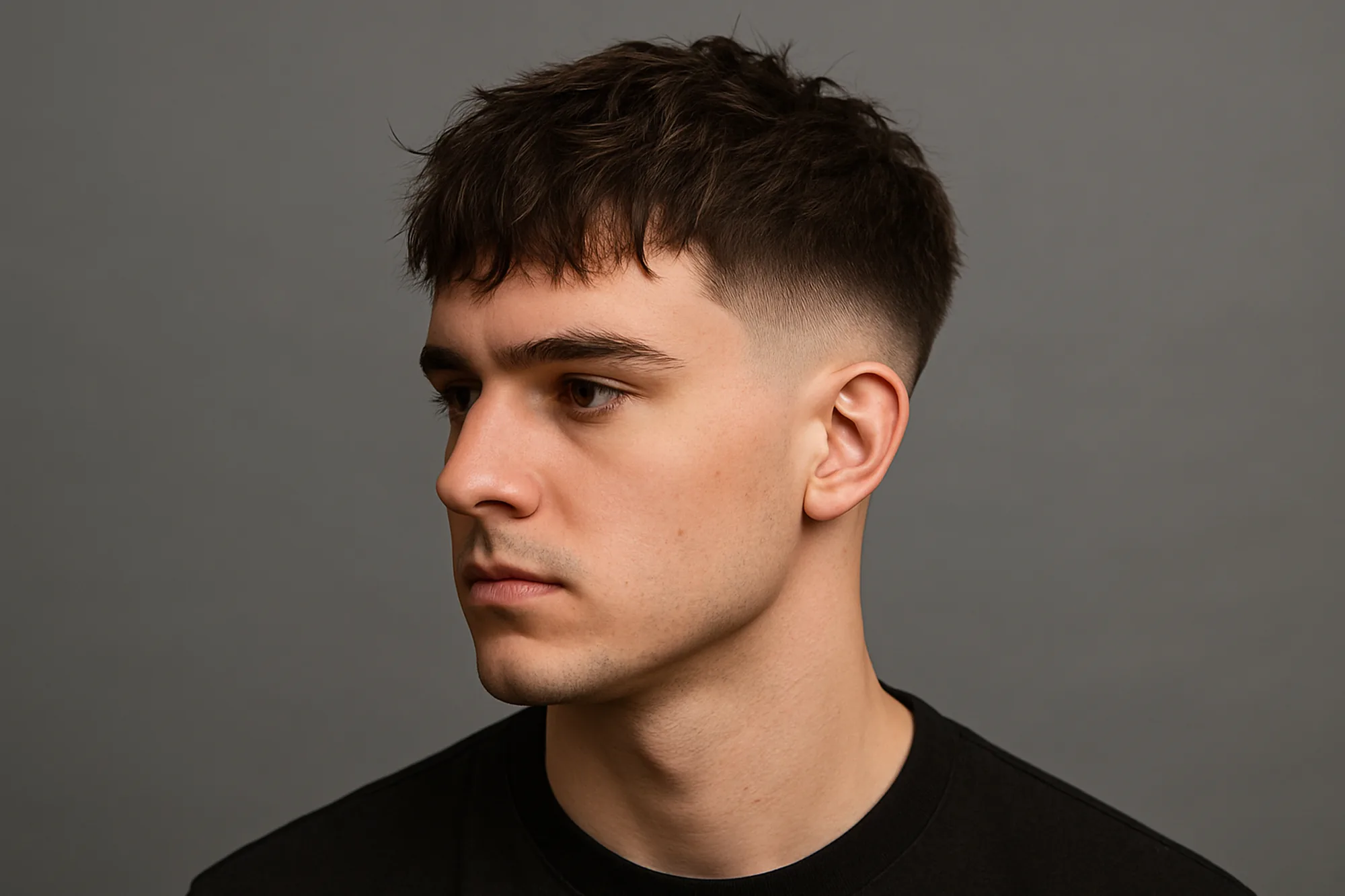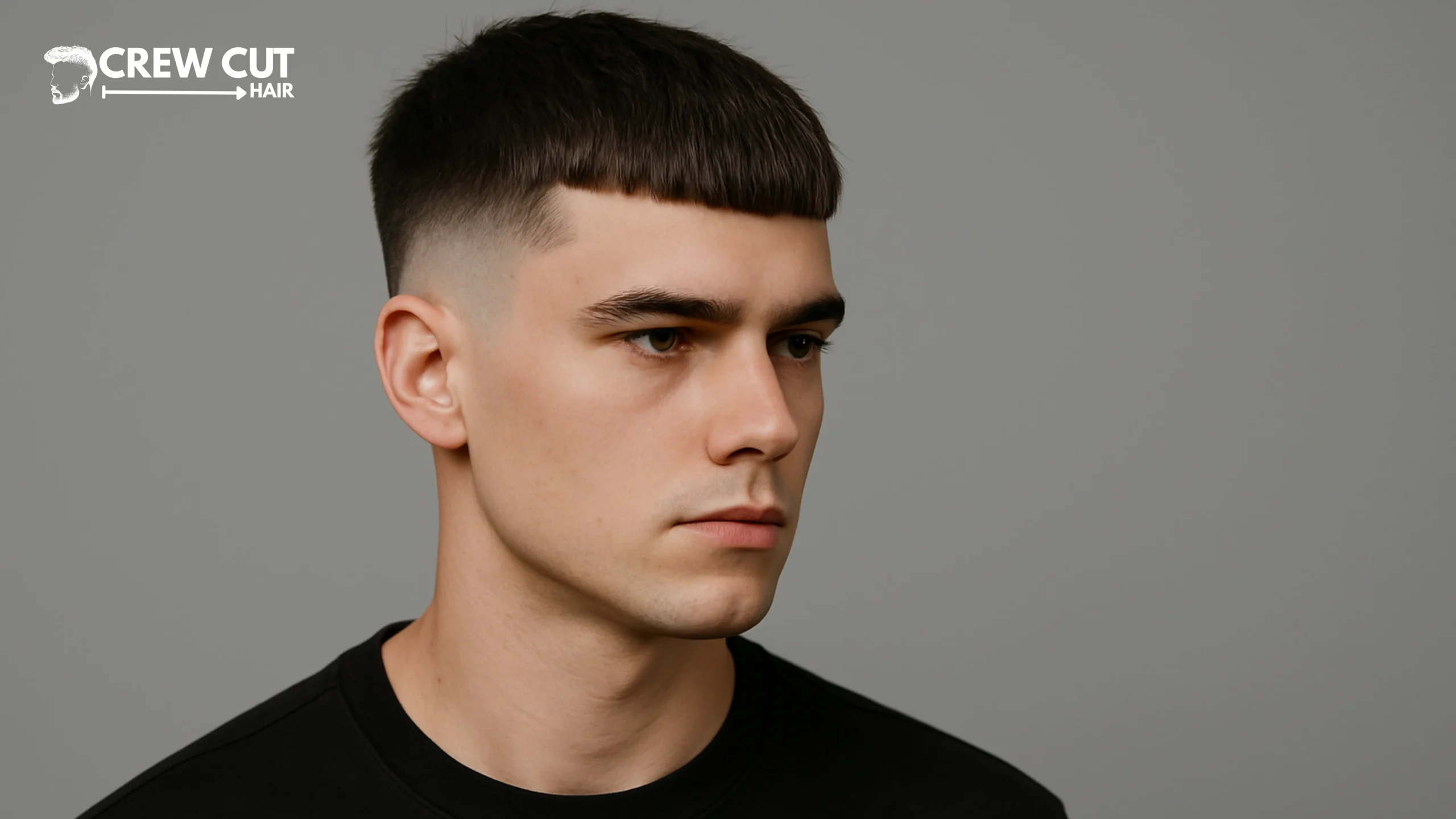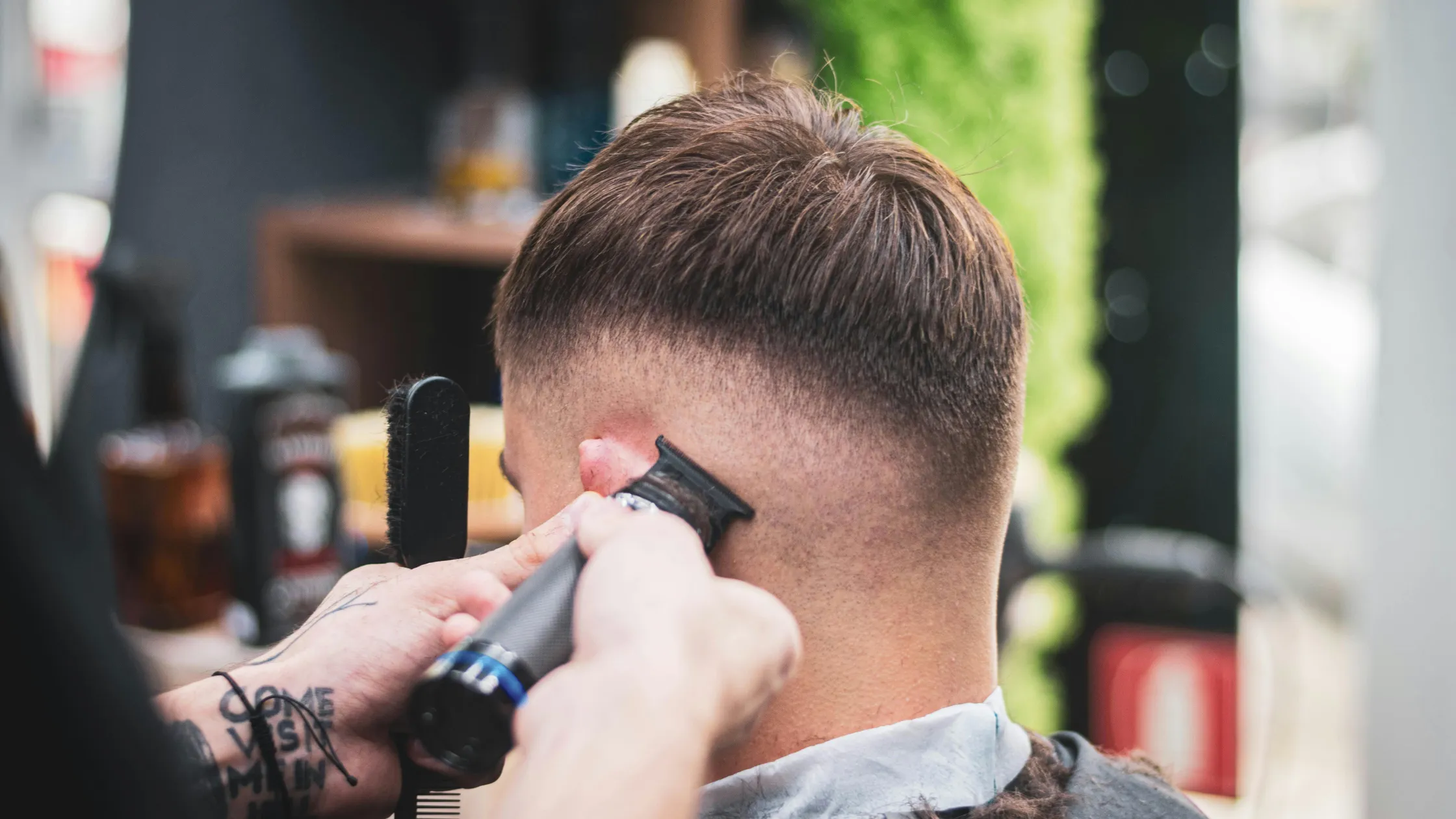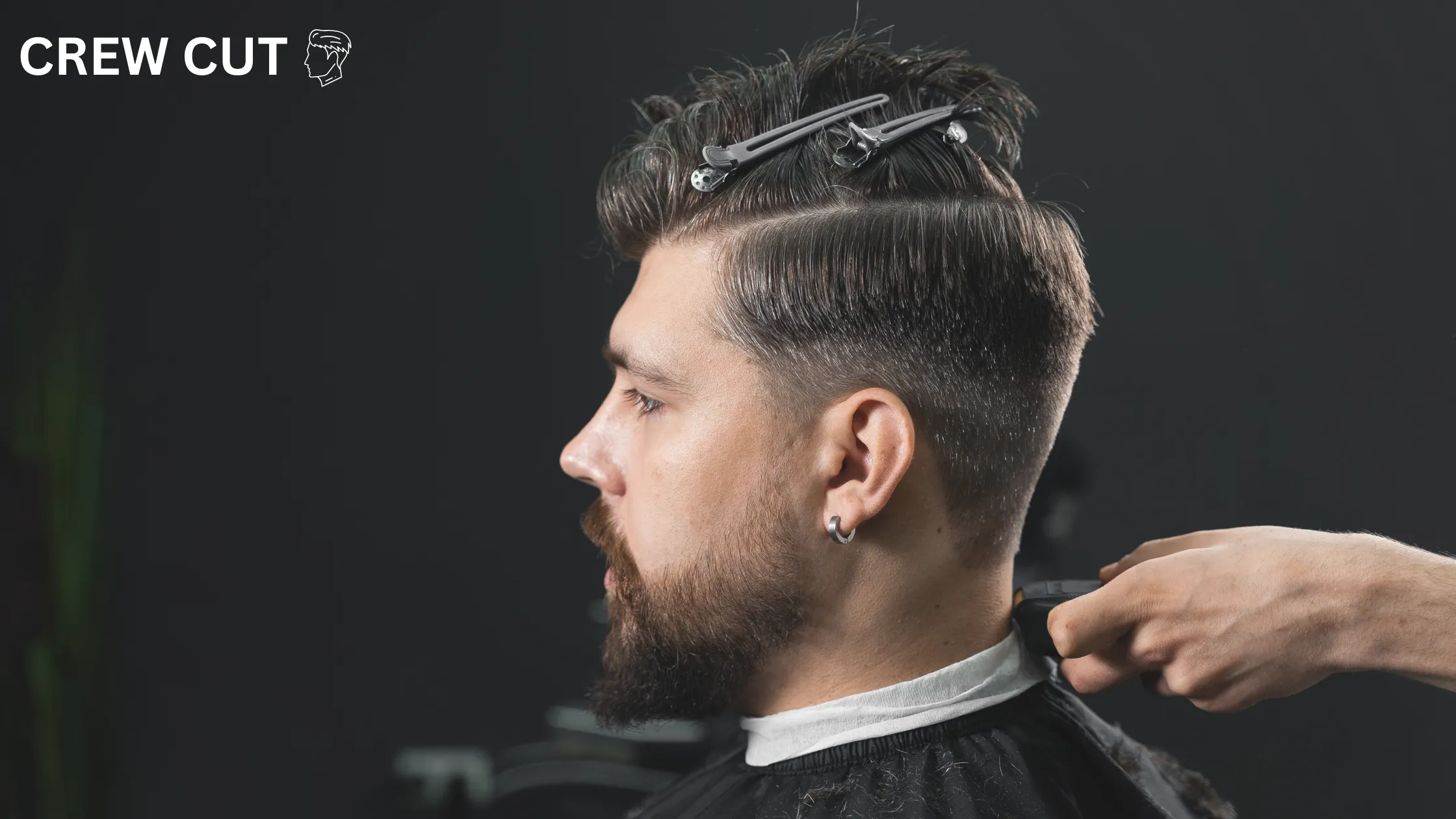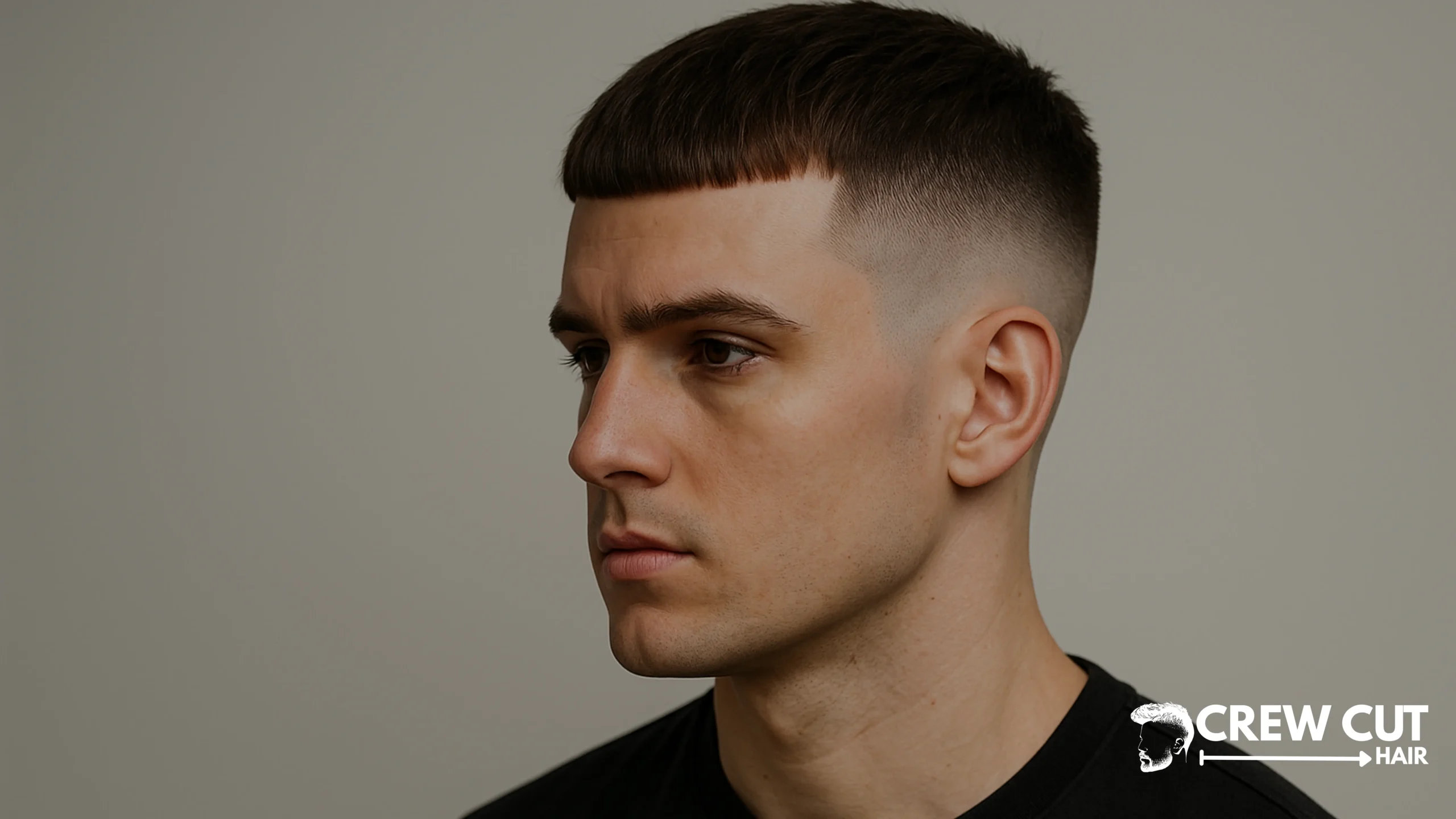
A French crop fade is neat, modern, and fast to style. The top is short to medium and pushed forward into a fringe. The sides fade clean for a sharp profile that works at school, work, and weekends.
A French crop fade keeps a short to medium top styled forward with a crisp fringe. The sides fade from longer near the temples to shorter at the neckline. Choose low, mid, high, skin, drop, or burst fades. The cut styles in minutes and grows out clean between visits.
French crop fade: quick, clean, and confident
1) What is French crop fade
A French Crop Fade is a haircut where the top is short and forward meets faded sides that fade seamlessly from longer to shorter, even down to the skin for bold contrast. The front can be a short straight fringe or a contrasting blunt fringe on the forehead. You can pick low fade, mid fade, or high fade; each sharpens the shape, emphasizes facial features like the jawline, and gives a high-contrast style that stands out yet stays clean and contemporary.
It feels rugged, adds masculinity and charm, and modernizes the French crop a great choice when you want a confident look with sharp edges, messy layers, and tousled tresses plus a bit of extra length on top for a cool easygoing style.
For styling, I Blow-dry with my fingers to build volume and separation, then use a touch of Texture Clay or Natural Styling Cream for grip, shape, and to define movement. A small swipe of matte pomade keeps a signature texture with a high subtle fade still soft at the edge.
This gives a French crop fade with laid-back texture, a stylish beard if you like, and a finish that modernizes the classic French crop while staying simple to maintain. The result is a French crop fade that looks fresh, feels light, and wears well every day.
2) Pick your fade: low, mid, high, skin, drop, burst
Low fade French crop
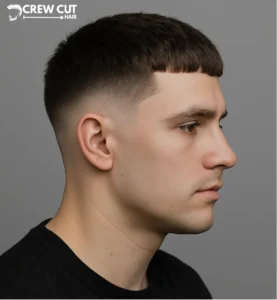
A low fade sits near the top of the ear and keeps more length on the sides. It looks neat at work and grows out smoothly. Pair it with a blunt or straight fringe for a clean line. Good for long or oval faces that do not need extra height. Easy to maintain every four to six weeks.
Mid fade French crop
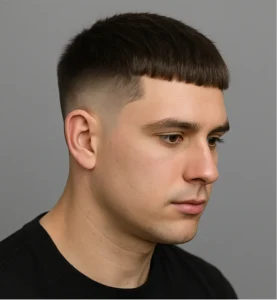
A mid fade starts just above the ear line and adds clear shape without going extreme. It suits most face shapes and hair types. The look feels sporty and modern while staying office friendly. Works well with a choppy or textured fringe. Great choice if you want balance between subtle and bold with simple upkeep.
High fade French crop
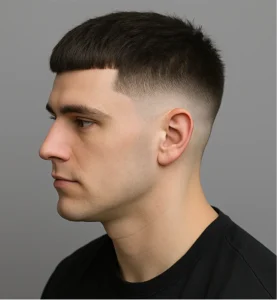
A high fade begins near the temple and removes more weight on the sides. This makes the top look taller and the face look slimmer. It gives strong contrast and a sharp profile. Best for thick or dense hair and round faces that need height. Keep edges tidy with regular cleanups for a polished result.
Skin fade French crop
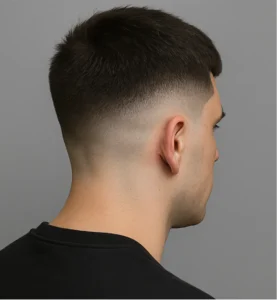
A skin fade goes down to the skin for the boldest edge. It looks very sharp from the front and side. Expect closer upkeep because stubble shows fast. Ask for a foil shaver finish for glass‑clean sides. Pairs well with a blunt or micro fringe for high impact. Good for square jaws and strong cheek lines.
Drop fade French crop
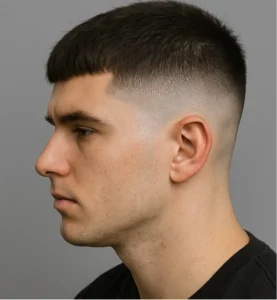
A drop fade curves lower at the back to follow the head shape. It keeps more weight near the crown, which helps stubborn cowlicks sit flat. From the side, the curve adds flow into the neckline. Great for heart or long faces that need balance. Clean and modern without losing shape at the back.
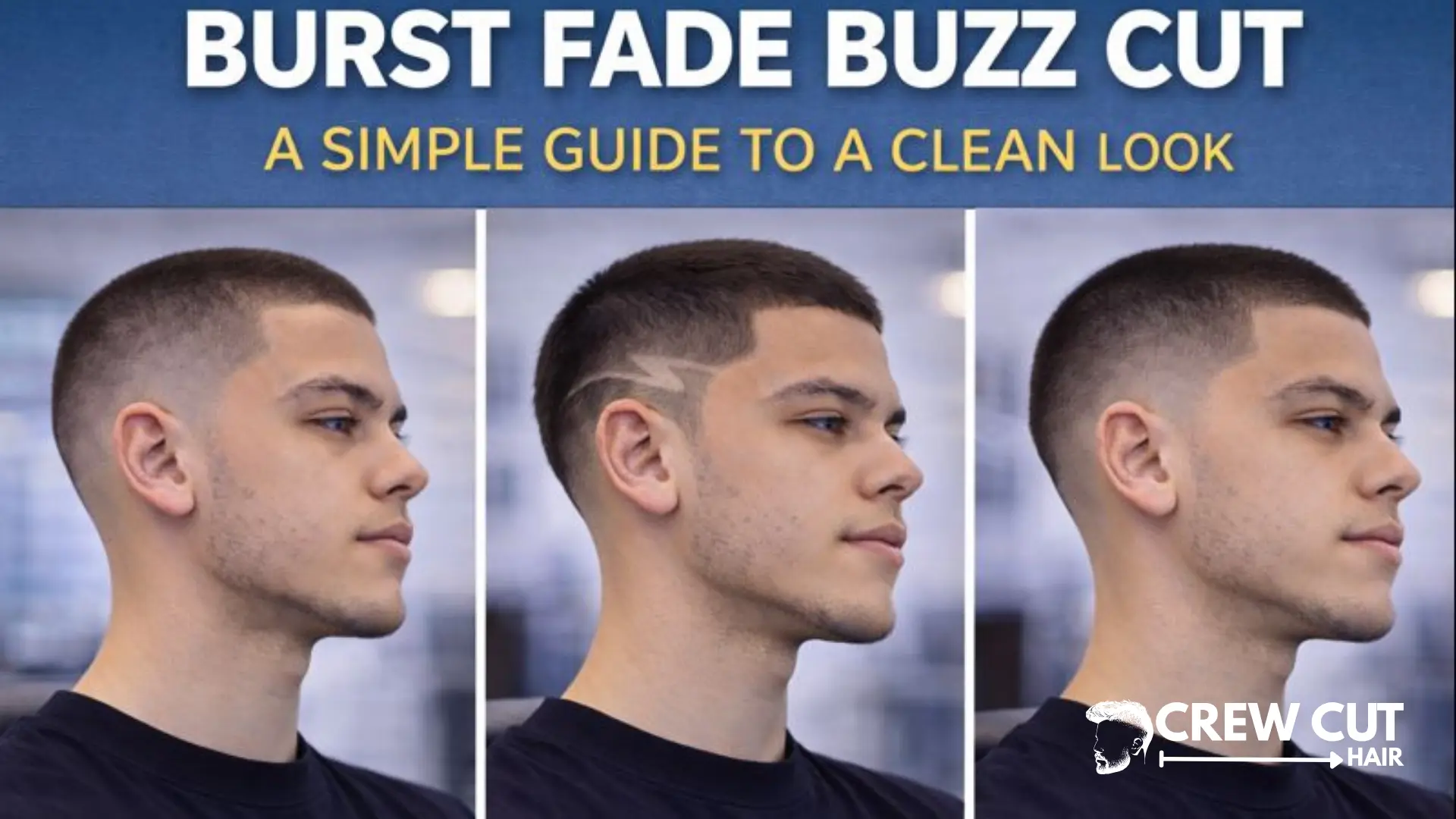
Burst fade French crop
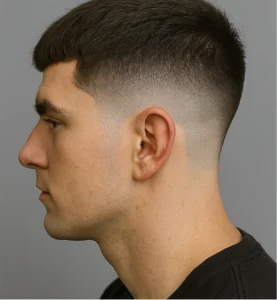
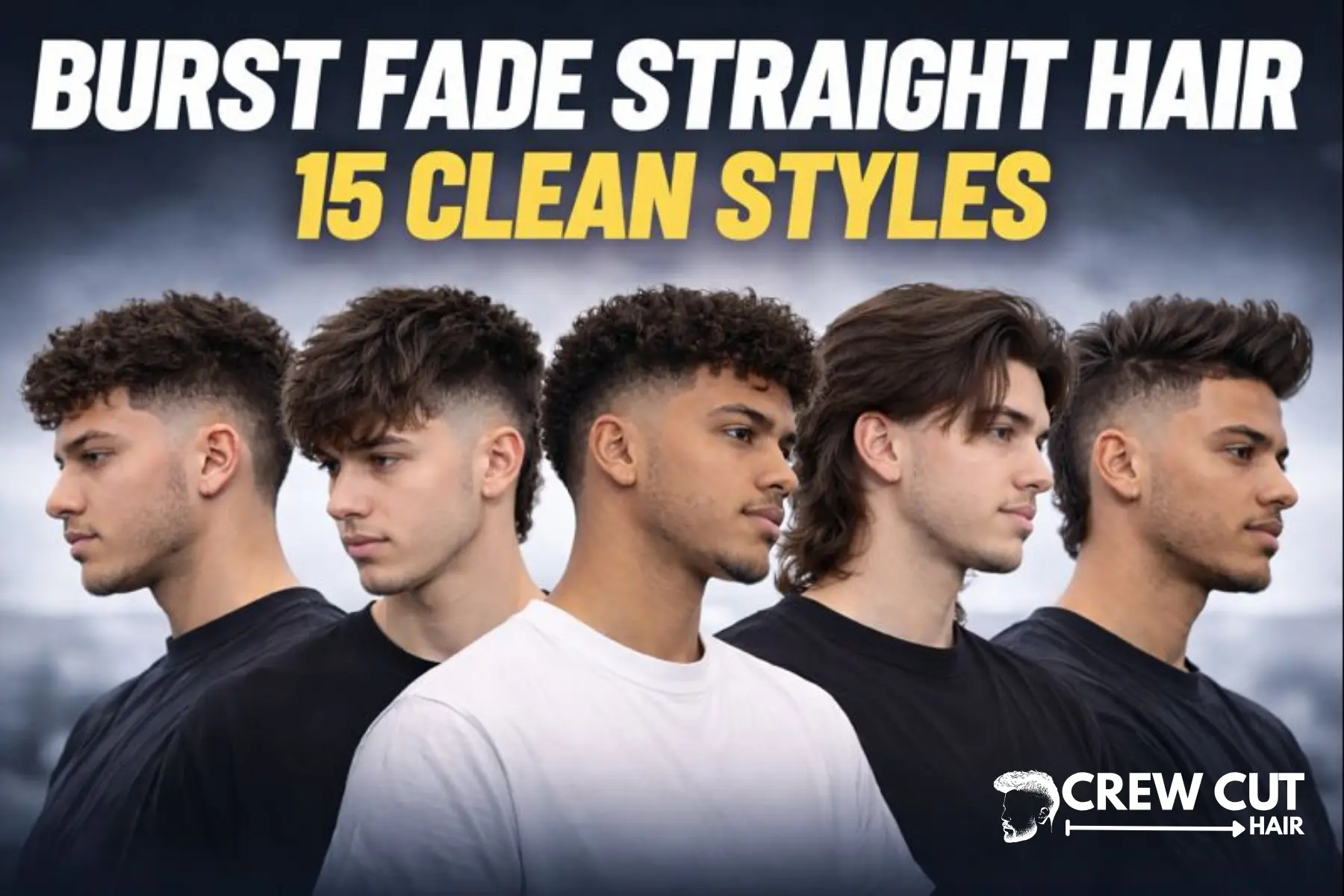
A burst fade opens around the ear and leaves length behind it. The result is a circular “burst” of clean fade with texture above. It feels fresh and edgy while still framing the face. Works nicely with a choppy fringe and messy top. Best on dense hair. Check your dress code if you need a classic look.
3) Taper vs fade: which looks better on you?
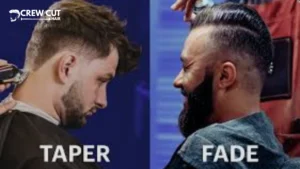
A taper shortens gradually to the neckline and around the ears. It grows out very clean. A fade drops faster to short or skin higher on the sides for a modern, high‑contrast look. Both work pick taper for subtle balance, fade for stronger definition.
4) Best match by face shape
Round face: mid or high fade, shorter straight fringe to add lines.
Square face: low or mid fade with a textured fringe to soften corners.
Oval face: most options work; choose the fade based on dress code.
Heart face: low or drop fade with a bit more top volume for balance. Match beard length to jawline for a tidy outline.
5) Top textures for your hair type
Straight hair: blunt or straight fringe with a flat or lightly textured top.
Wavy hair: choppy or messy top and a soft fringe line.
Curly hair: low or mid fade, short textured fringe, control at the crown.
Thick/dense hair: debulking and corner weight control help the top sit.
Fine/thinning hair: forward style and light root lift add fullness.
6) Exactly what to tell your barber
Say: I want a French crop fade with a [low/mid/high/skin/drop/burst/taper] fade. Keep the fringe [blunt/straight/choppy/angled/micro]. Top [flat/textured/messy/layered/wavy/curly], brushed forward. Clean sides, tidy neckline, crown control. Bring a clear reference image and confirm maintenance timing.
7) In the chair: how the cut happens
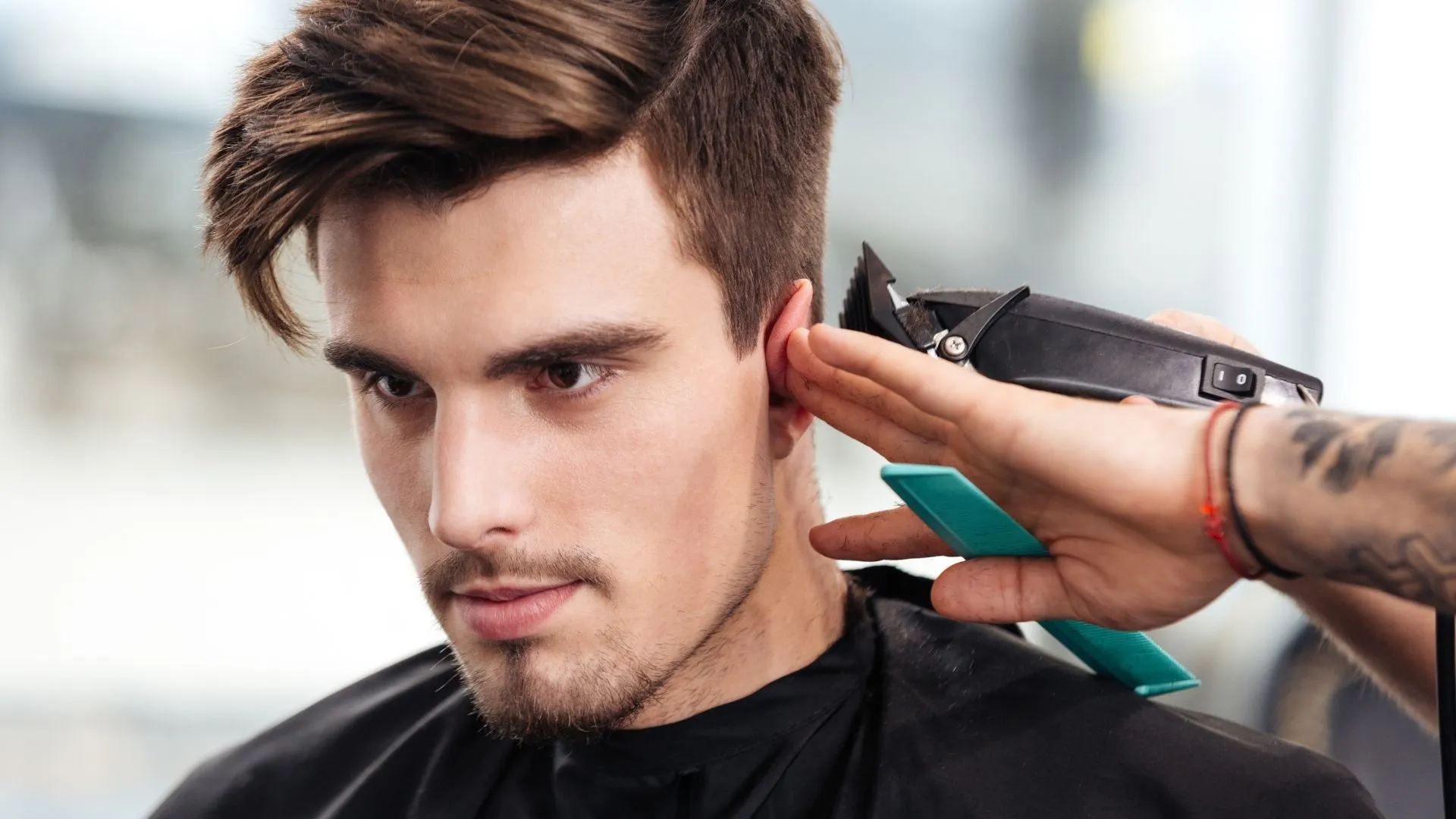
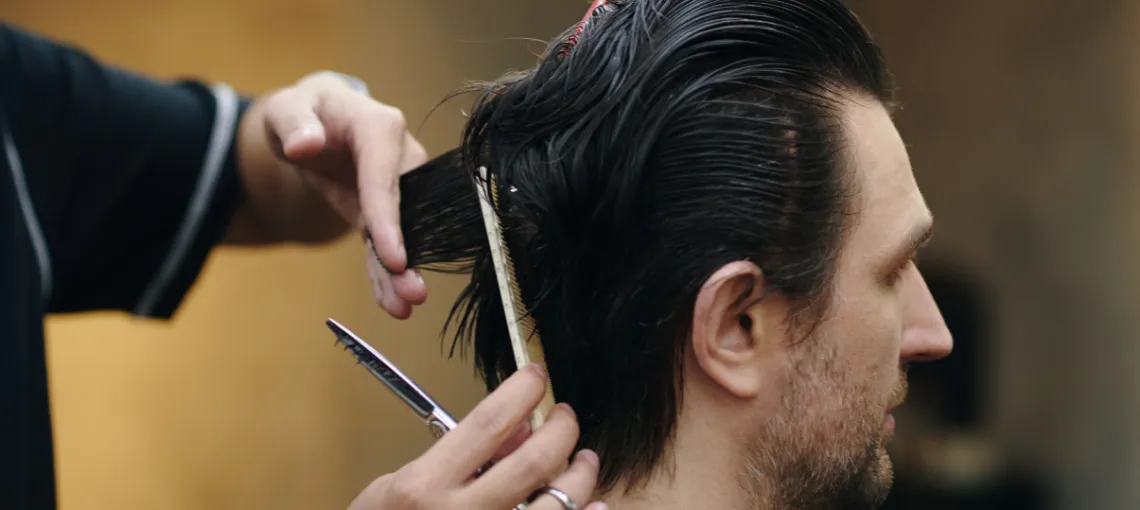
Set the first guideline with lever open, refine with lever close. Work guards zero, half, #1, 1.5, #2, 2.5, #3 as needed. Use clipper‑over‑comb and scissor‑over‑comb to blend the parietal ridge and occipital area. Add texture with point cutting and slide cutting. Shape the fringe to match your forehead and jawline. Finish with a clean nape taper and ear outline for a crisp silhouette.
Step 1: Consult & plan (1 minute)
Agree on fade level (low, mid, high, skin, drop, burst) and fringe style (blunt, straight, choppy, angled, micro). Check growth patterns and crown.
Step 2: Prep the canvas
Shampoo if needed. Towel‑dry. Comb forward to see the natural fringe line and cowlicks.
Step 3: Set the first guideline
Start with lever open to place a safe baseline. Keep it even around the head.
Step 4: Build the fade
Tighten to lever close. Move through guards: zero → half → #1 → 1.5 → #2 → 2.5 → #3 where needed. Keep strokes short and light.
Step 5: Blend ridges cleanly
Use clipper‑over‑comb at the parietal ridge and scissor‑over‑comb at the occipital for a smooth flow with the top.
Step 6: Detail & refine
Erase lines with corners of the blade. Use a foil shaver for skin fades. Clean the ear outline and set a tidy nape taper.
Step 7: Shape the top
Trim the top to length. Add movement with point cutting and slide cutting. Control corner weight to stop puffing.
Step 8: Cut the fringe
Square for sharp, or chip in for texture. Match the line to forehead height and job dress code.
Step 9: Cross‑check & balance
Check both sides for symmetry. Calm the crown so it lays flat. Re‑blend if anything pops.
Step 10: Finish & aftercare
Blow‑dry forward to set root direction. Explain home routine and when to book the next tidy‑up.
8) Style it in minutes (daily routine)
Towel‑dry. Blow‑dry forward with a vent brush or round brush to set root direction and fringe line. Use your hands to set light separation. For curly or wavy hair, use a diffuser and lift gently at the crown. Avoid heavy heat on the fringe to keep edges sharp.
9) Sharper finish: beard fade & neckline
Match a beard fade to the side fade for a smooth flow. A blended beard connects the crop to the jaw. Stubble gives a rugged vibe; clean‑shaven gives a sharper office look. Keep a neat beard outline, temple height blend, and balanced neckline.
10) Upkeep & grow‑out timeline
Book a tidy up every 3–5 weeks for fades and 4–6 weeks for tapers. Ask for corner weight checks at the crown to prevent puffing. At home, dry hair forward to reset the fringe fast. Leave fringe trims for the shop for a straight line.
11) Common mistakes (and quick fixes)
Fringe too long: shorten or go micro fringe. Top too heavy: request debulking and texture. Patchy fade: tighten with a foil shaver on skin areas. Flat shape: add slight fringe lift and manage bulk along the comb line.
Conclusion
The cut is simple: clean fade on the sides, forward‑styled top, and a fringe that suits your face. Pick the fade level for your lifestyle, keep the outline tidy, and use a quick routine. That is how a French crop fade stays sharp every day.