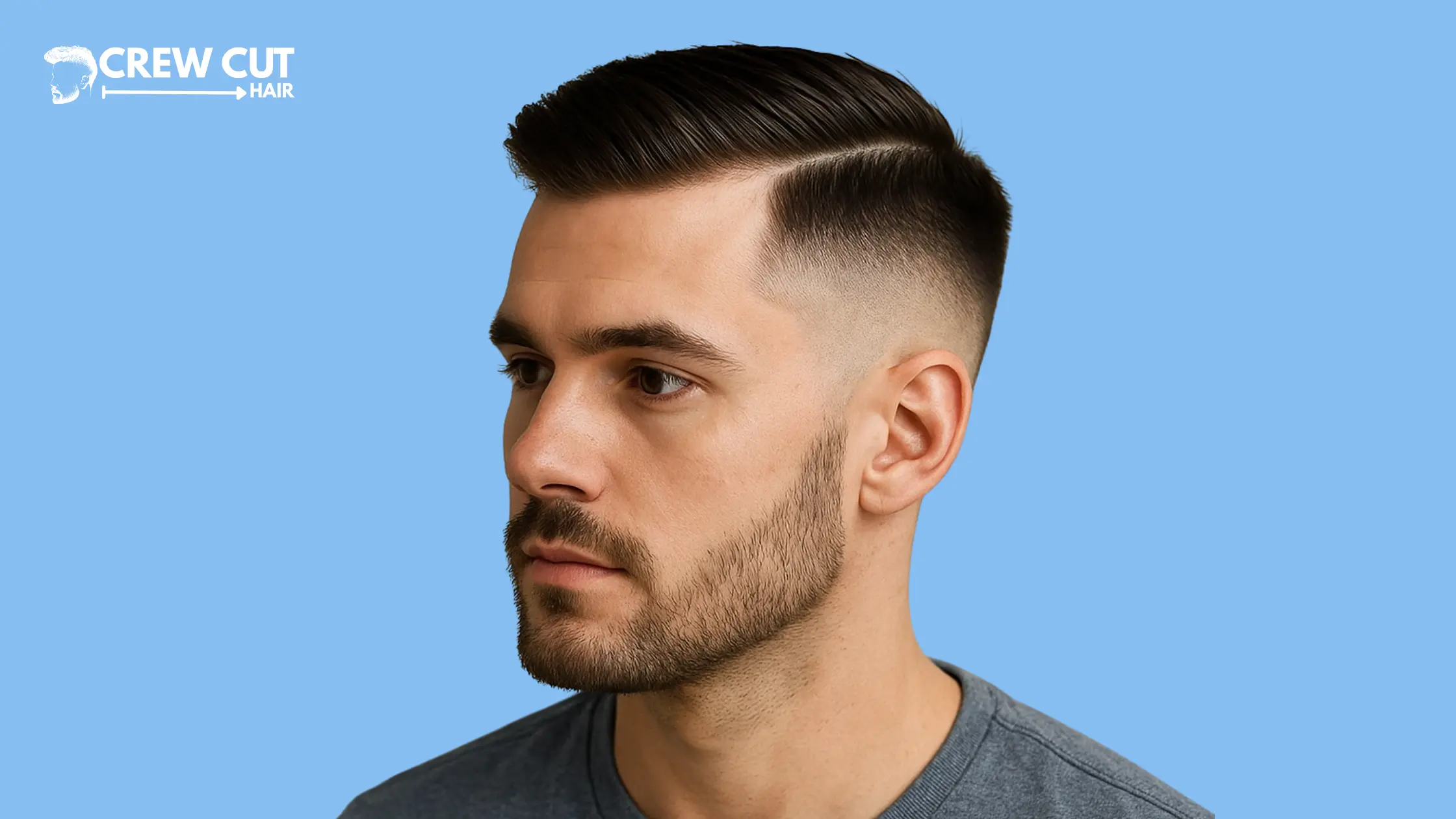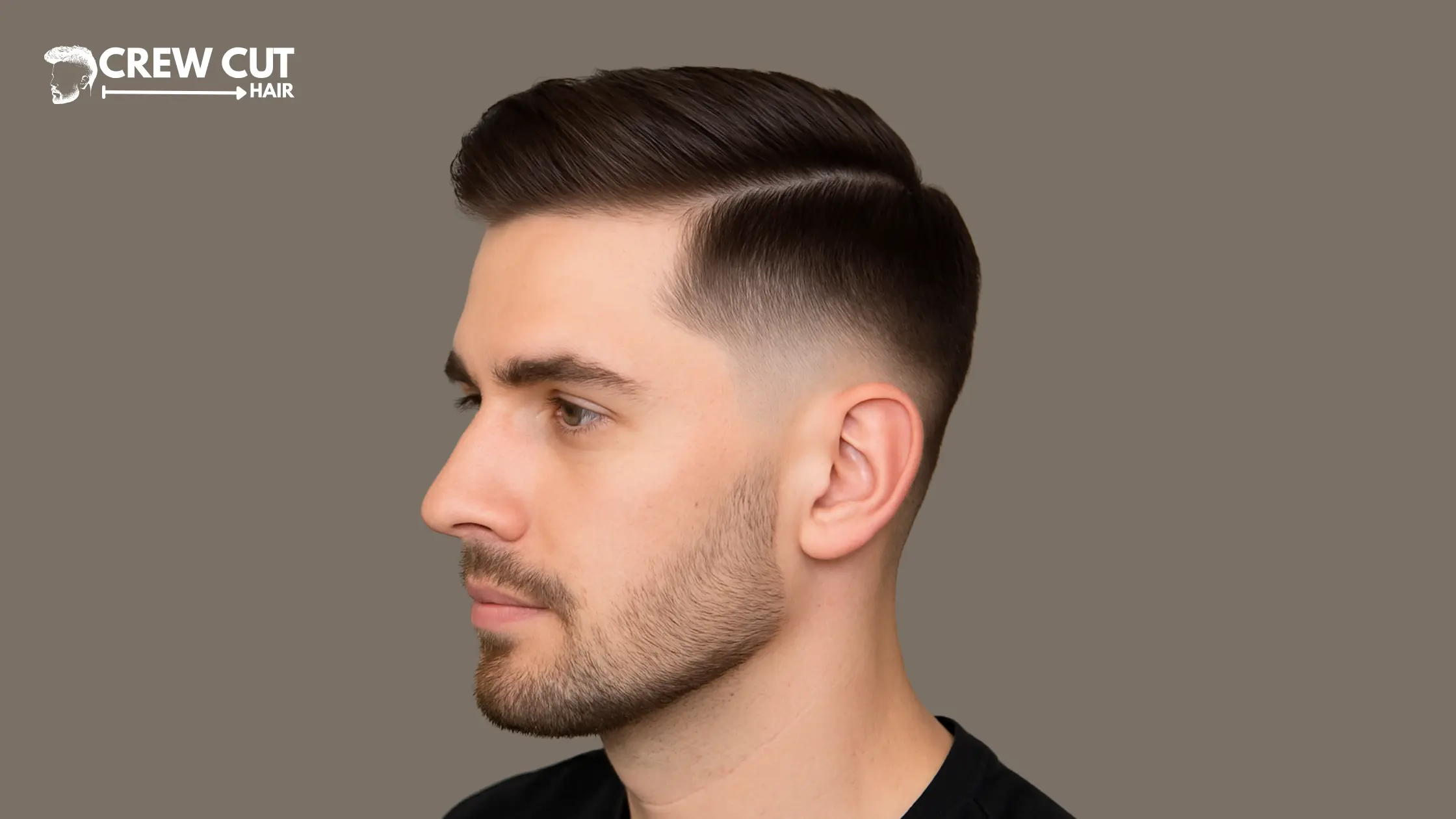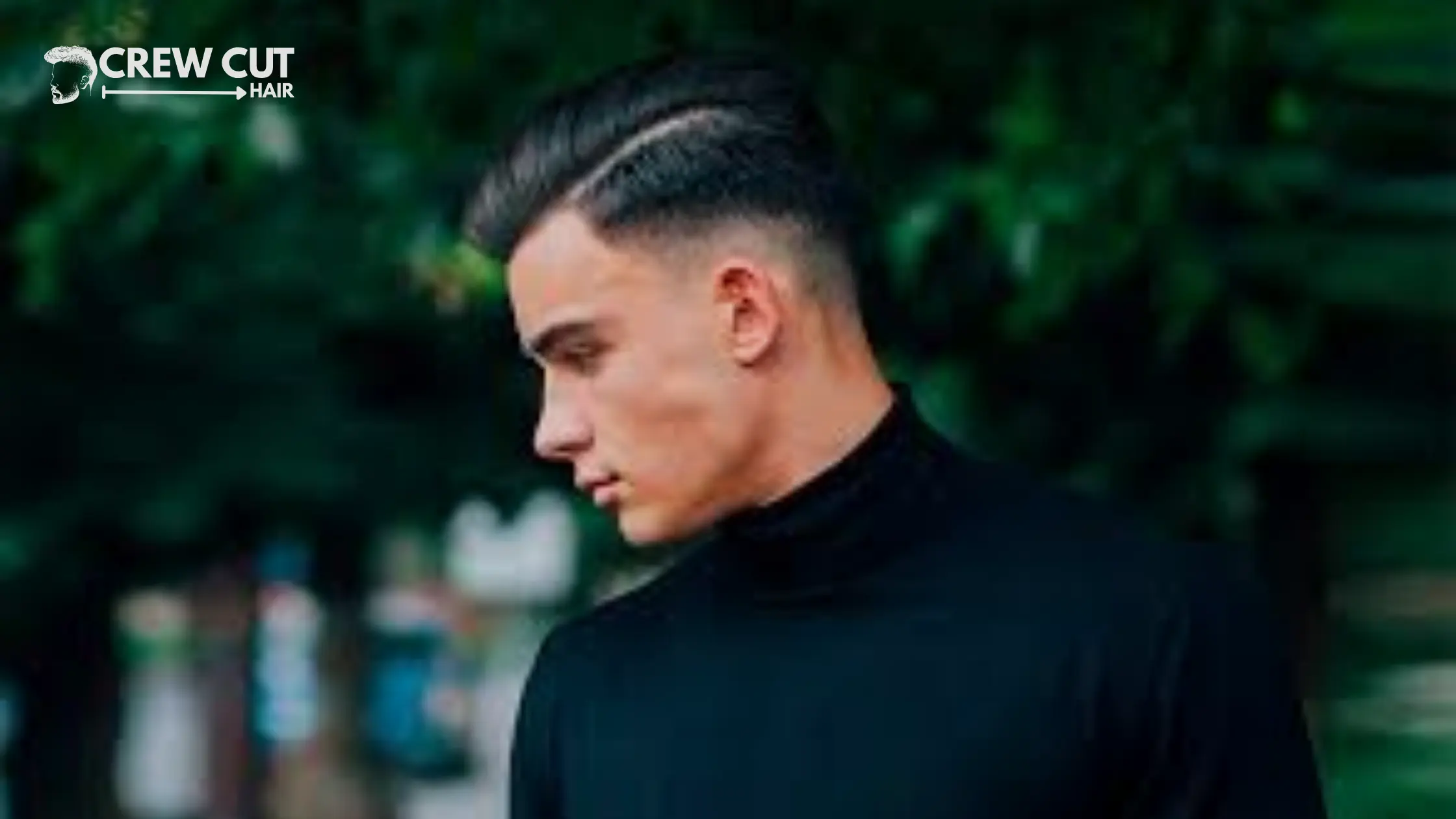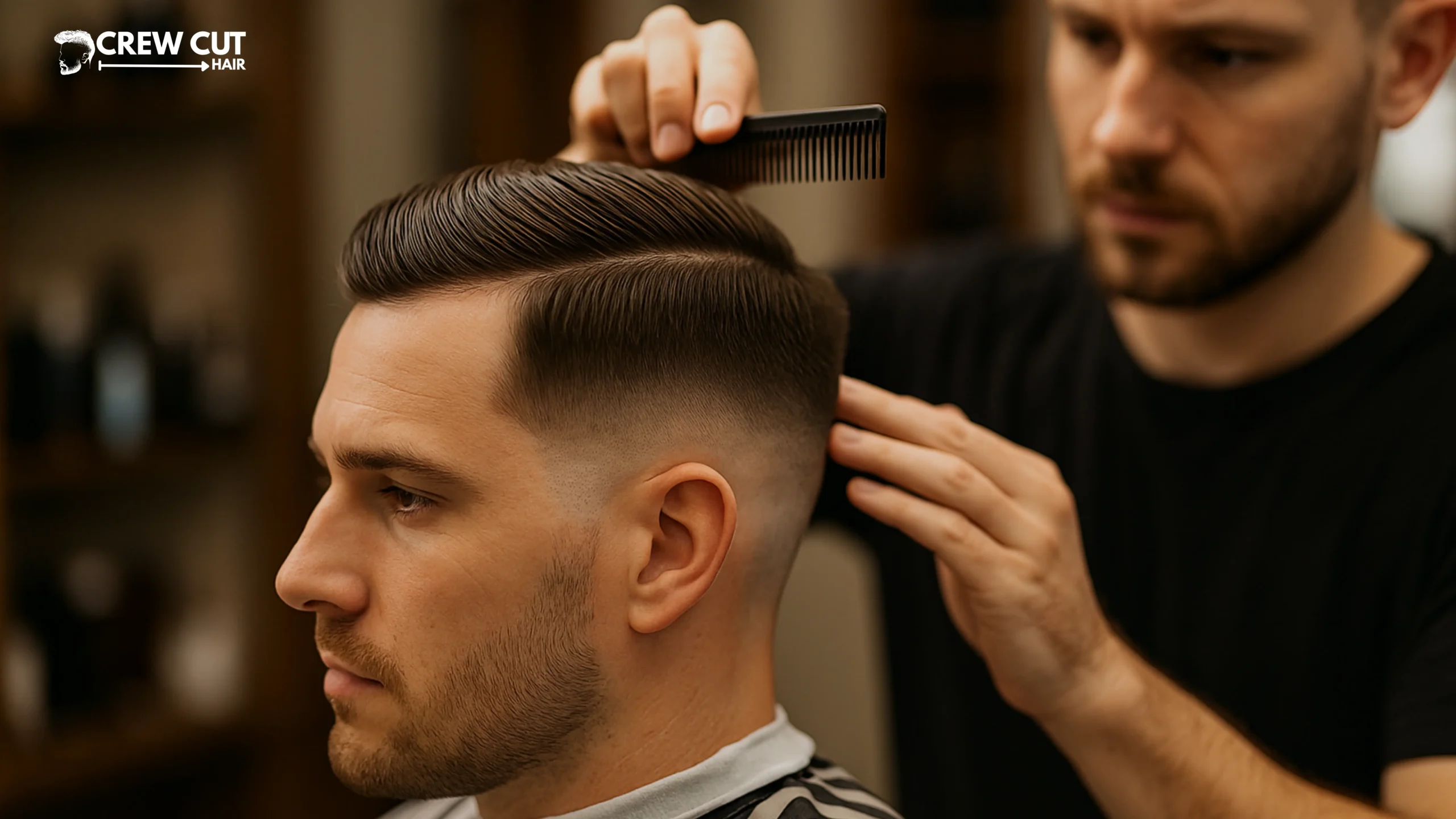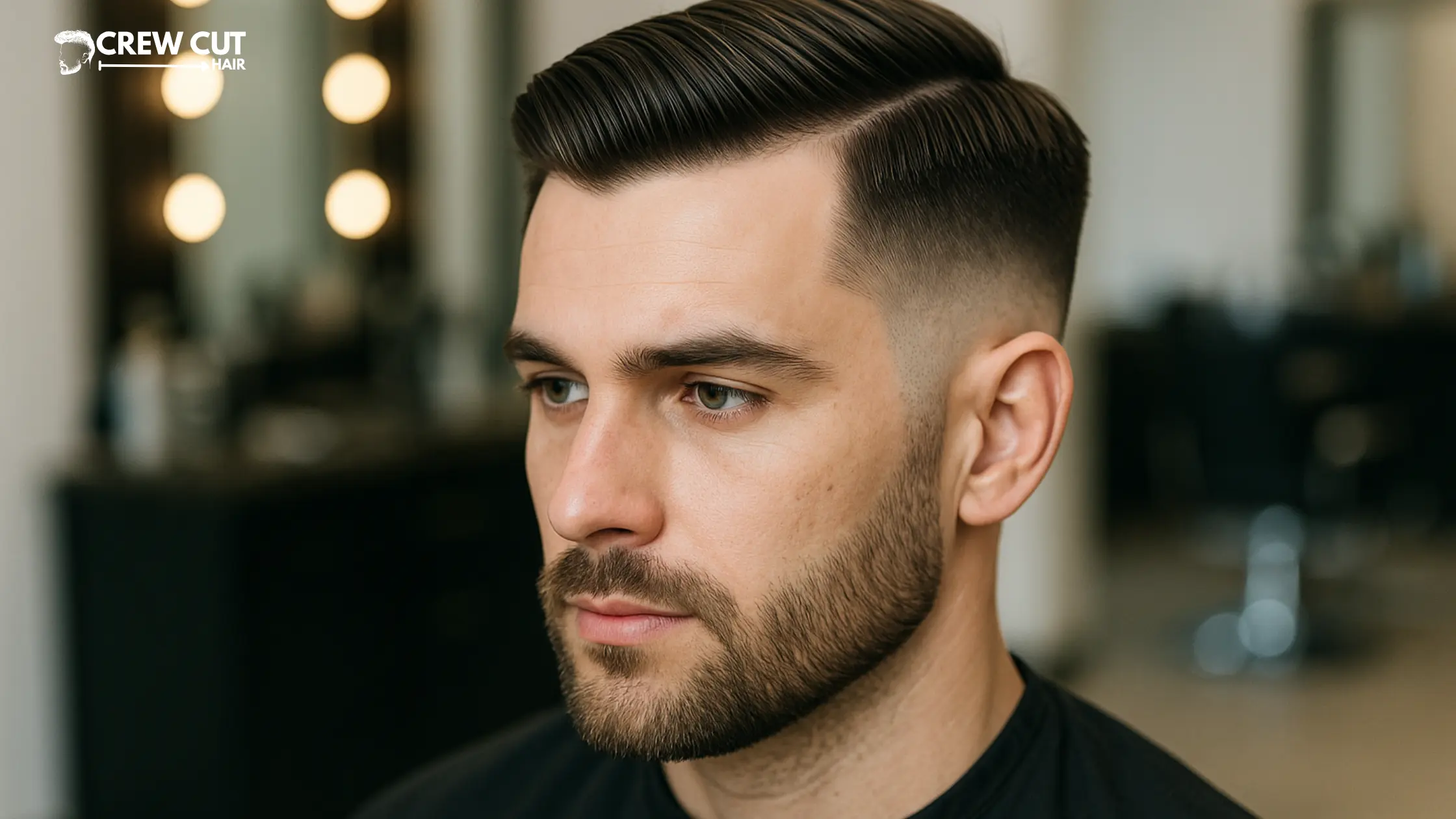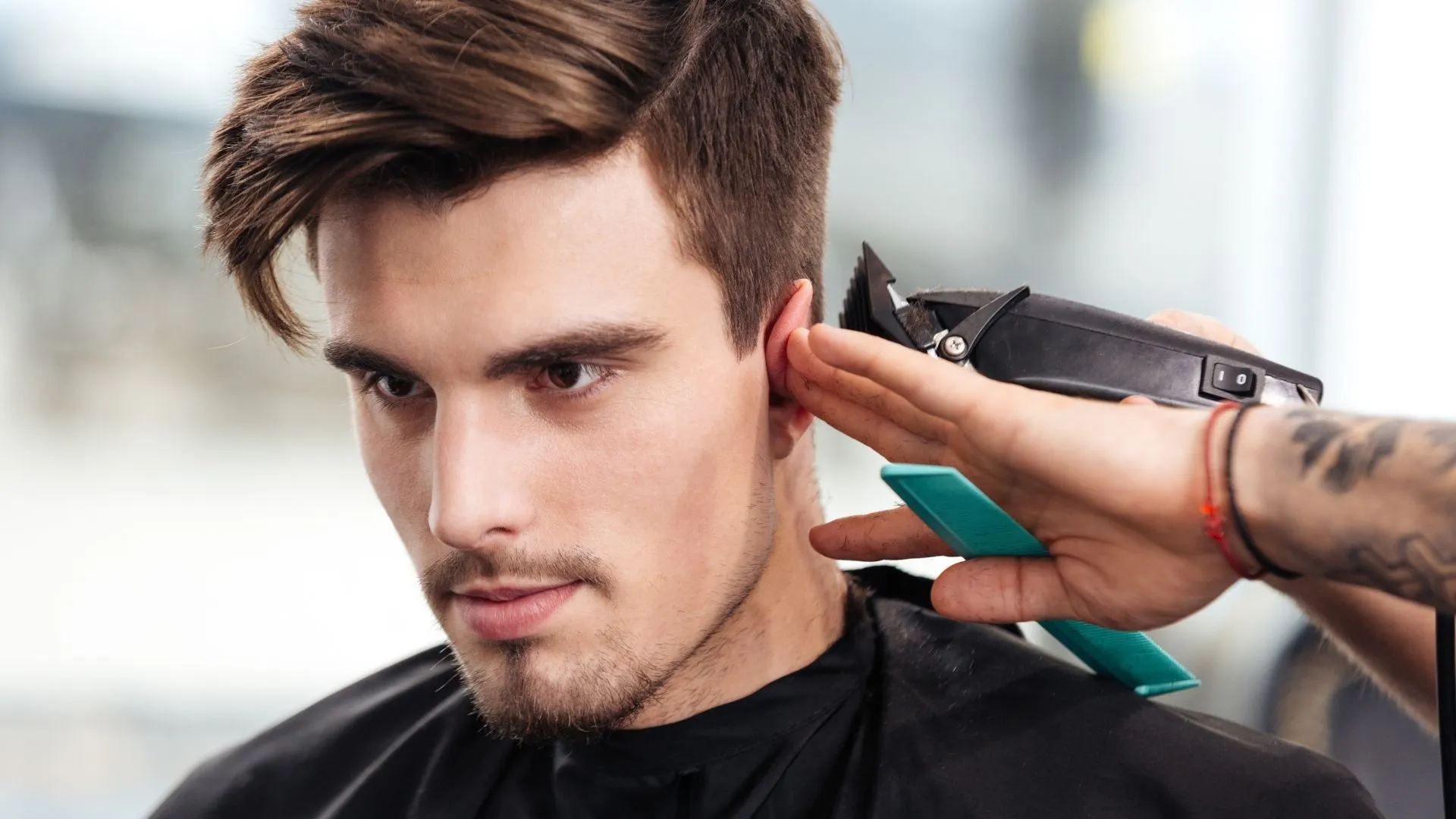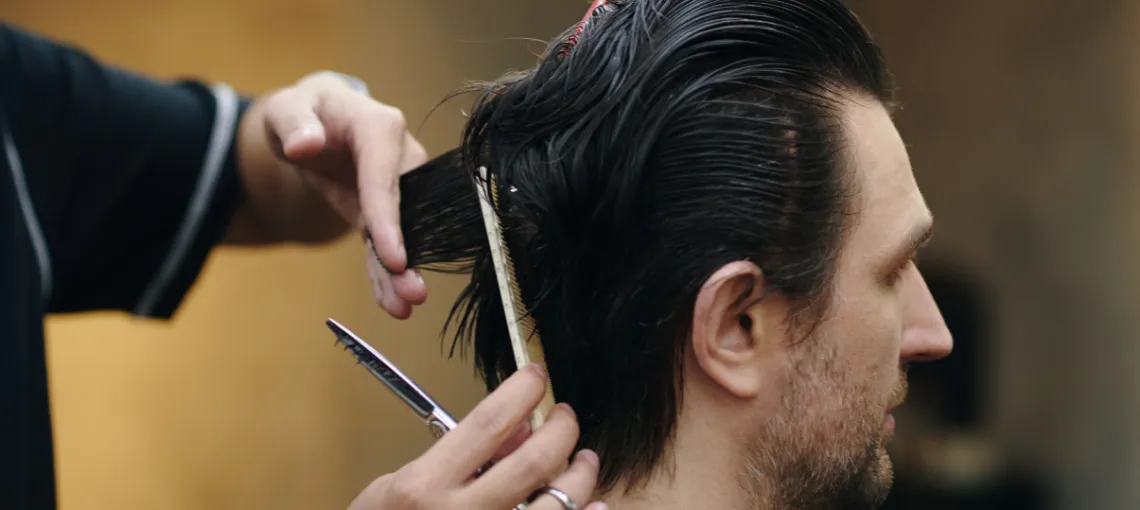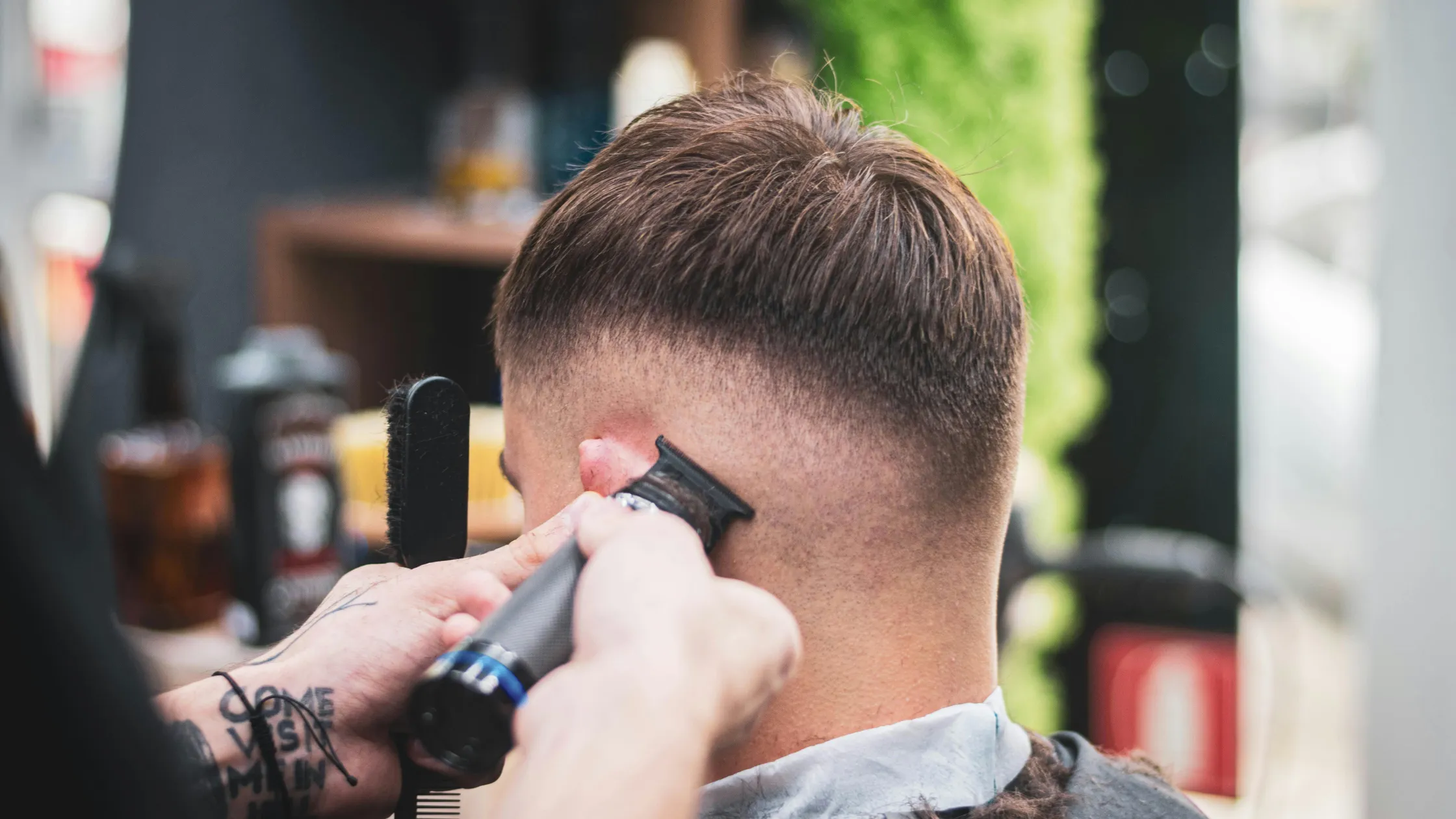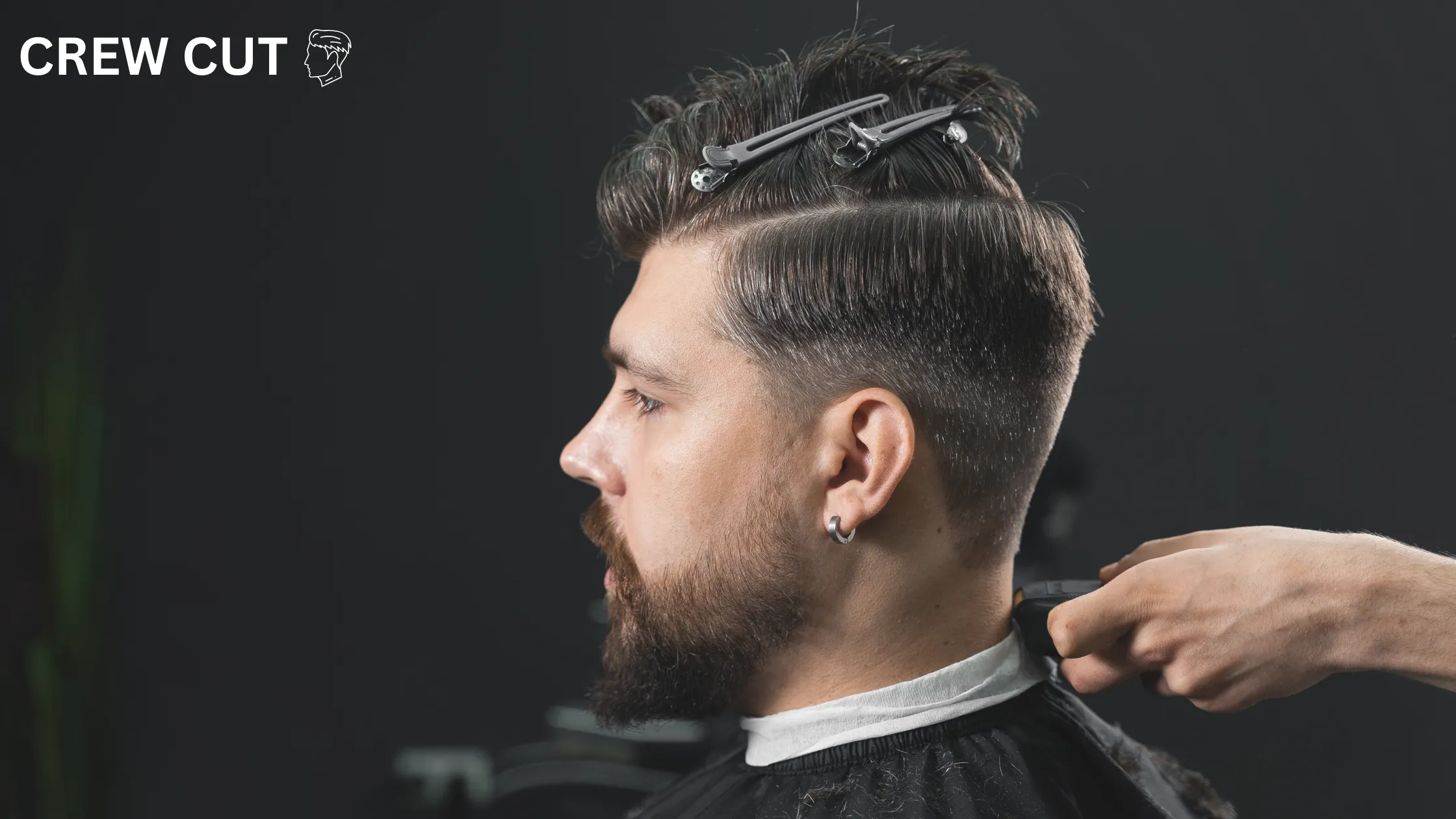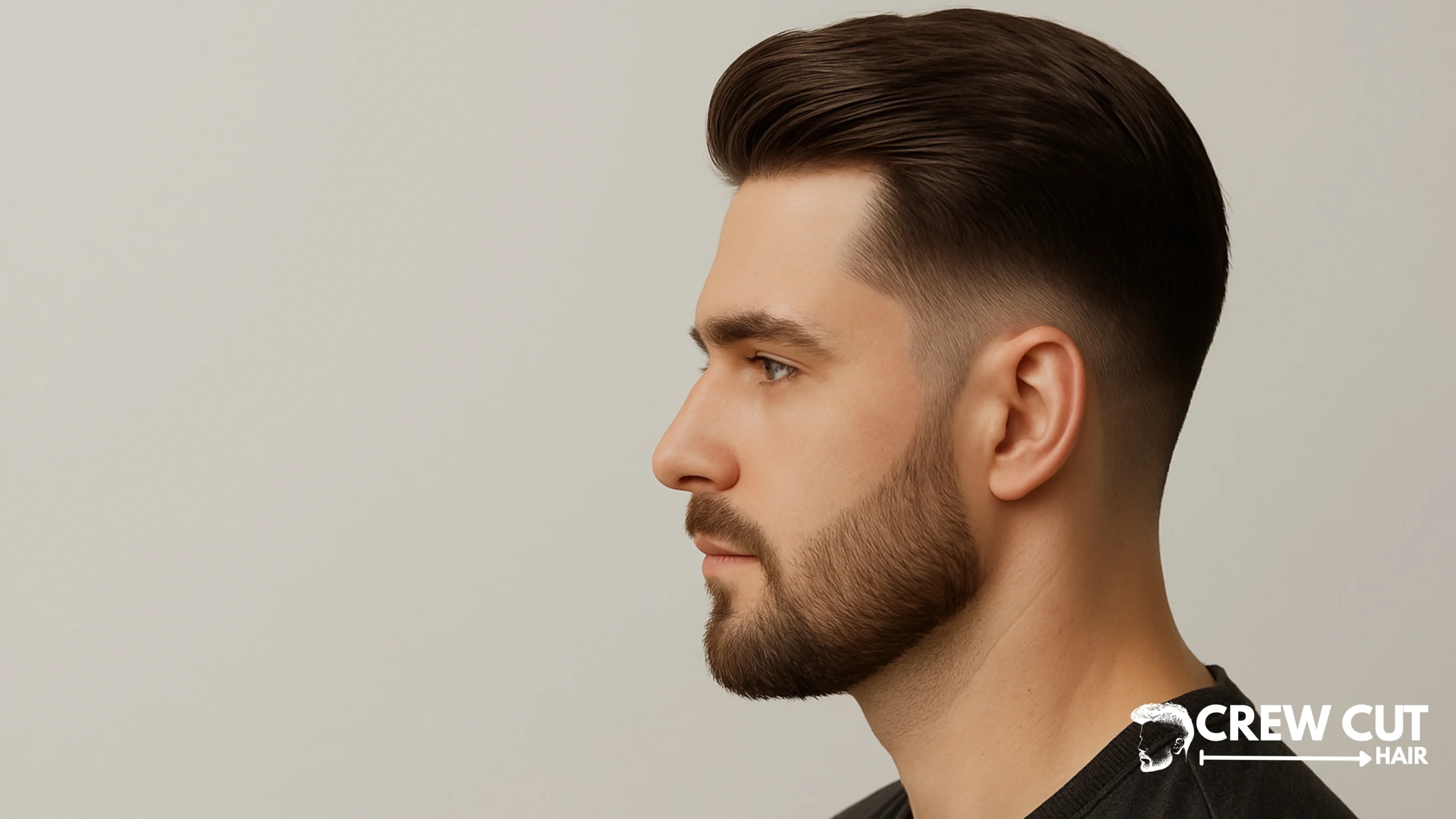
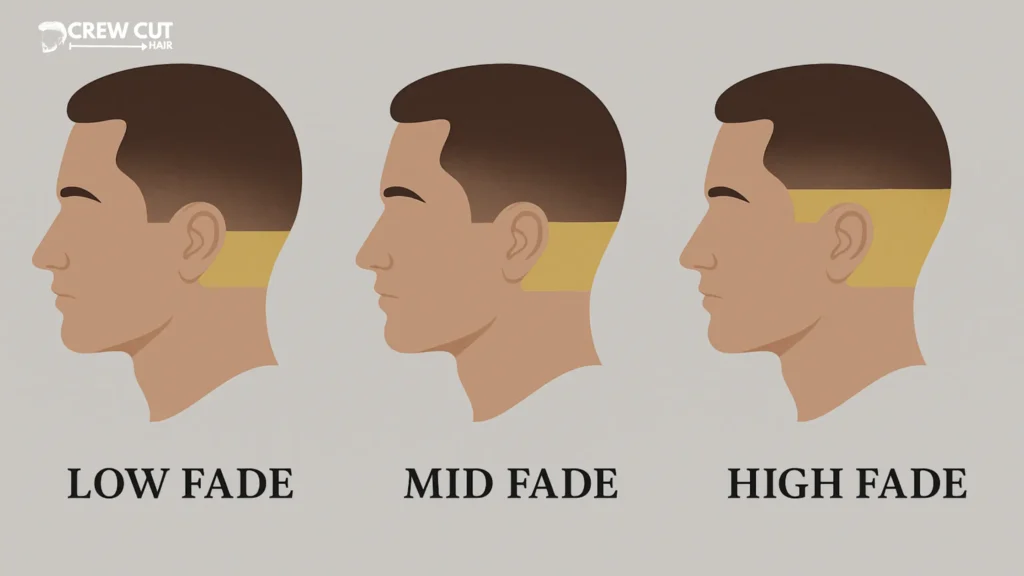
You want a sharp style that works for the office and weekends. A low fade comb over keeps the sides clean near the ear and leaves enough length on top to sweep across a soft or hard part. It’s quick to style, grows out smooth, and suits most head shapes.
Below is the complete guide I give clients in the chair. You will see one simple table, clear guard numbers, real-world product tips, and my exact phrasing to use with your barber so there’s zero guesswork.
A low fade comb over keeps the fade line near the ear for subtle contrast and leaves 1.5–3 inches on top to sweep across a soft or hard part. Ask for #0.5–#1 at the base into #2, light texture on top, and a tapered neckline. It styles in two minutes and grows out smooth for work or weekends.
Table of Contents
- Conclusion
What the low fade comb over really is
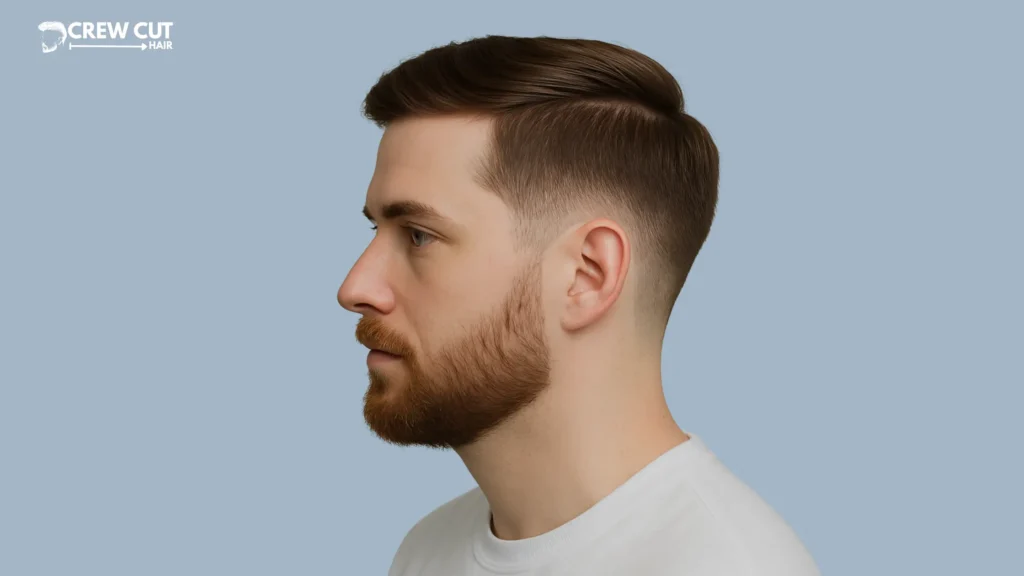
The fade starts low around the ear, so the sides stay subtle and natural. The top is longer and combed across the part line. I keep a touch more length toward the front for gentle lift, never stiff height. This cut is neat, modern, and easy to live with day to day.
At-a-glance setup
| Area | Pro baseline |
|---|---|
| Fade height | True low fade at or just above the ear |
| Side guards | #0.5–#1 at the base, blended to #2 |
| Top length | 1.5–3 in (≈38–75 mm), longer toward the front |
| Part | Soft natural part for easy grow-out; hard part for sharp lines |
| Finish | Matte to natural shine; light–medium hold |
Which face shapes does it suit?
Round faces: Keep the fade low and leave a little height at the front. This adds shape without making the head look wider.
Square or diamond: Both love clean sides and a defined part. I keep the corners tidy at the temples for sharp lines.
Long or oblong: Avoid extra height. Use a true low fade and keep the front modest so the face doesn’t look longer.
Heart or triangle: Keep the temple area soft and the part natural. A touch of texture on top balances a wider forehead.
What guard numbers should I ask for?
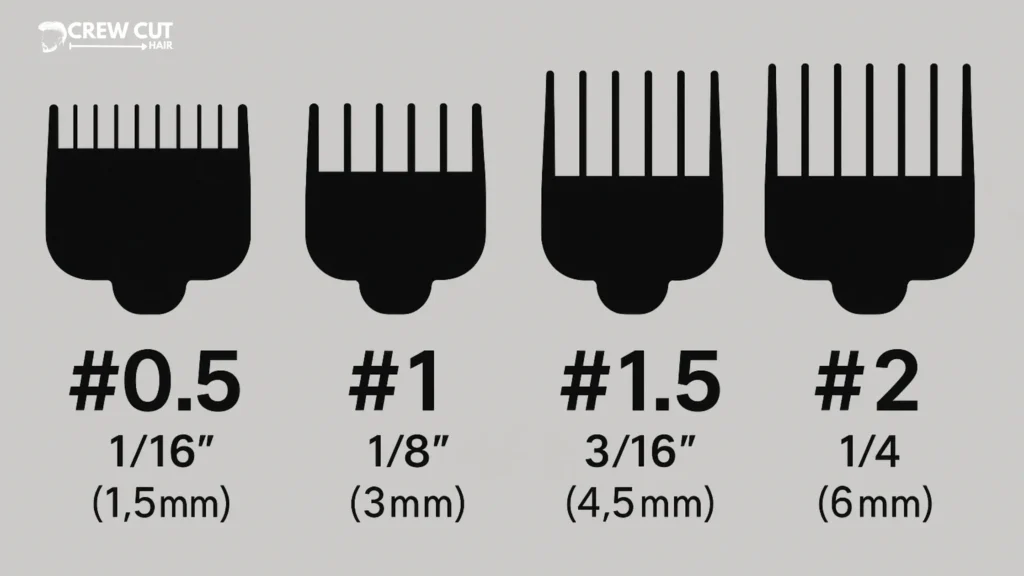
Ask for #0.5 or #1 at the base, blended up to #2 through the side. I leave supportive weight just above the parietal ridge so the top doesn’t collapse. On top, I scissor cut to about 2 inches for most clients. If hair is very fine, I stay closer to 1.75 inches so product has grip. If hair is thick, 2–2.5 inches gives you control without bulk.
Hard part or soft part: which is better?
A soft part is more forgiving. It grows out smooth and suits workplaces with conservative dress codes. A hard part is a shaved line that looks sharp on day one but needs more upkeep. My rule: if you get haircuts every 3 weeks, hard part is fine. If you push to 4–5 weeks, stick to a soft part.
Is it good for thin or fine hair?
Yes. Keep the top around 2 inches with light texture, not heavy thinning. Heavy texturizing can make fine hair look stringy. Use a matte paste or light clay and start at the roots, then comb across. A true low fade keeps side shadow so the hair looks fuller. If the crown splits, I leave a touch more length there and cut with the growth so it sits flat.
Get more information for mid fade comb over
How do I style it step by step?
-
Prep: Towel-damp hair. Spray a little sea salt spray for lift and grip.
-
Dry: Blow-dry on medium while brushing across the part. Keep airflow aimed from roots to ends so it sets direction.
-
Product: Emulsify a pea-size of matte paste in your hands until clear. Work it through from roots to ends.
-
Set: Comb once to place the sweep. Pinch the front lightly for a small lift.
-
Midday fix (optional): If it falls, tap a little styling powder at the roots and re-comb. No water needed.
Which products actually work?
-
Matte paste or light clay: everyday hold, natural finish.
-
Cream: for wavy or coarse hair when you want softness and a bit of shine.
-
Low-shine pomade: clean, classic look for events; use sparingly so it doesn’t collapse.
-
Sea salt spray: foundation for lift without crunch.
-
Styling powder: quick refresh at the roots, especially on fine hair.
Barber tip: use less than you think. Add a tiny touch more only if needed. Most failures I see are from too much product at once.
How often should I get it cut?
Plan a full cut every 3–5 weeks. If you stretch to 5, book a sides-only tidy at week 3 to keep the fade clean. Shampoo 2–3 times a week and condition as needed. If the scalp gets dry, use a light tonic or moisturizer after showering, especially if you wear helmets or train.
Variations that still look clean
-
Low fade comb over + taper neckline: the most professional grow-out.
-
Low fade comb over + hard part: high definition if you visit often.
-
Textured low fade comb over: great for high hairlines or cowlicks.
-
Curly low fade comb over: diffuse dry on low heat for soft volume.
-
Beard blend: fade the sideburn into the beard for one clean outline.
Barber script you can copy
“Low fade comb over. Start low with #0.5 at the base into #2. Keep about 2 inches on top with soft texture. Natural part. Taper the neckline.”
Want it sharper. Add a hard part and keep the temple a touch tighter.
Conclusion
A low fade comb over gives you a clean, modern look without a long routine. The fade sits low near the ear, the top stays 1.5–3 inches for a smooth sweep, and the part can be soft or hard based on how often you cut. Use light product, set the direction while drying, and keep the neckline tapered for a neat grow-out.
If your face is round, keep some side shadow and a small lift in front. If your hair is fine, stay near 2 inches on top with matte paste at the roots. Book every 3–5 weeks, or do a sides-only tidy at week 3. Walk into the shop with the short script, show a front and side photo, and you’ll leave with the exact result you had in mind.