I cut the mid fade comb over all week in the shop. Clients want a clean outline, a fast morning, and a look that holds from first meeting to late dinner. This guide, keeps the focus on one topic only.
You will learn fade placement, guard sizes, top length targets, part choices, and a simple blow dry set you can master fast. Everything here comes from daily chair work, not theory.
Table of Contents
ToggleWhat is a Mid Fade Comb Over?
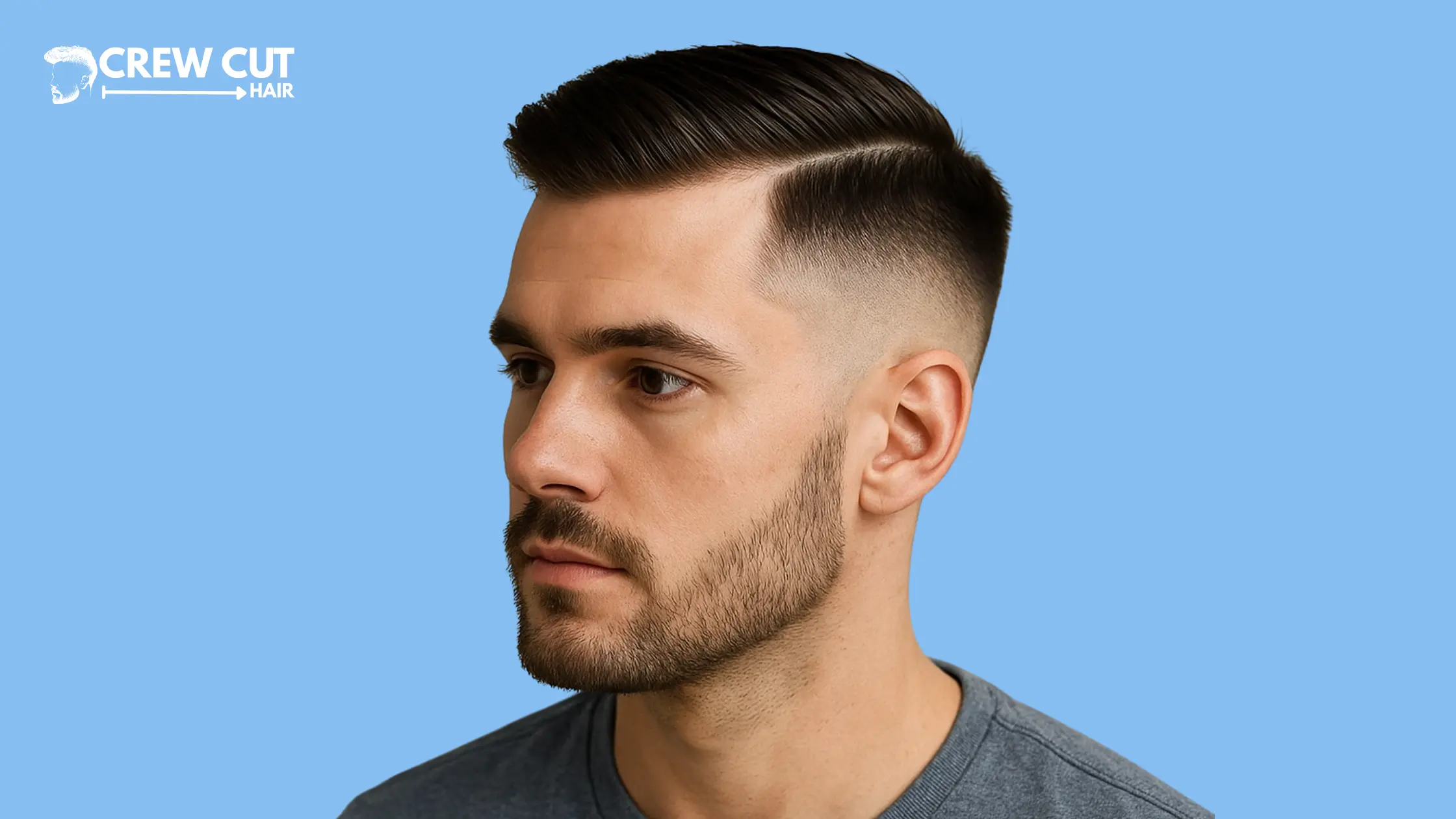
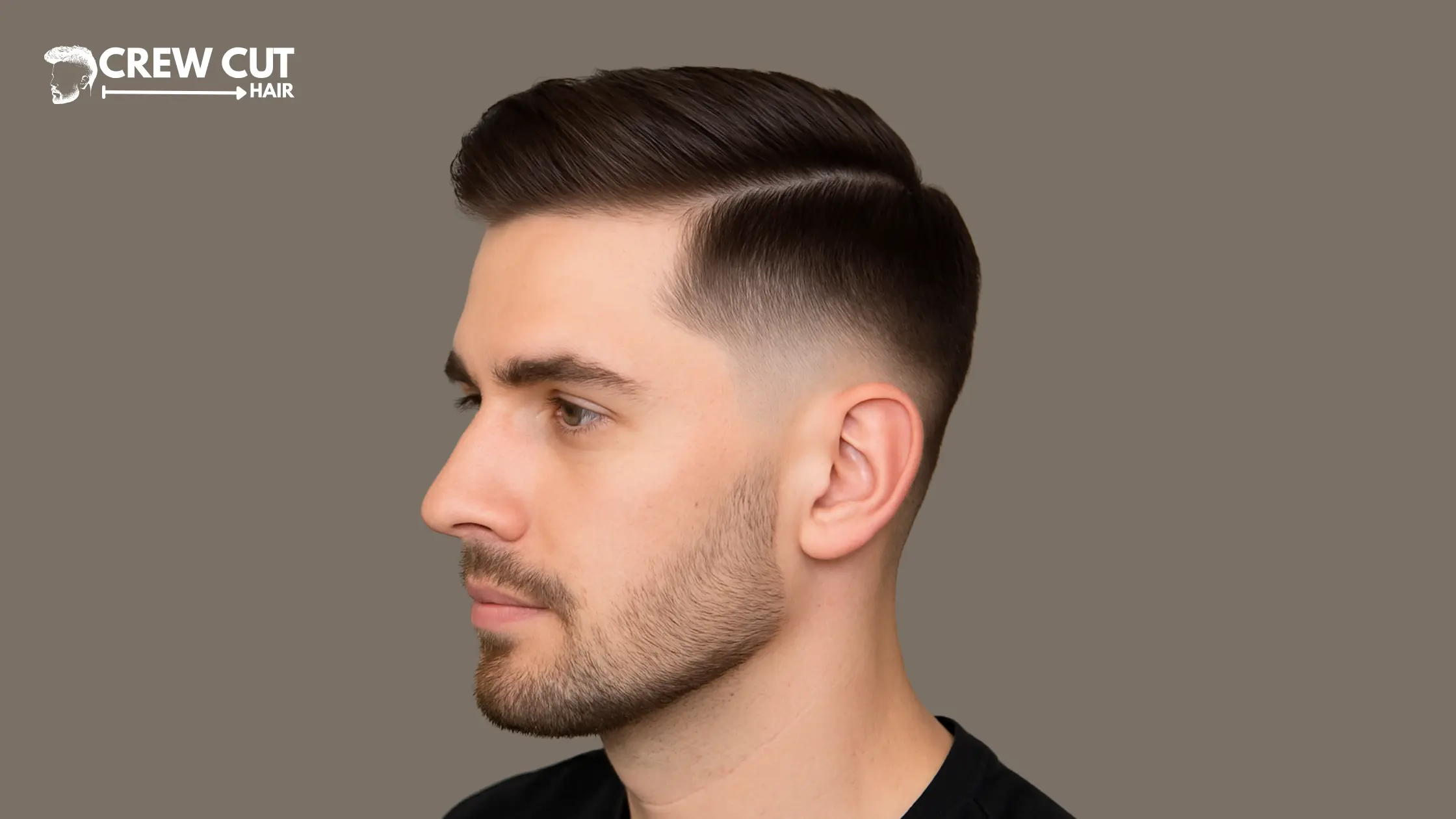
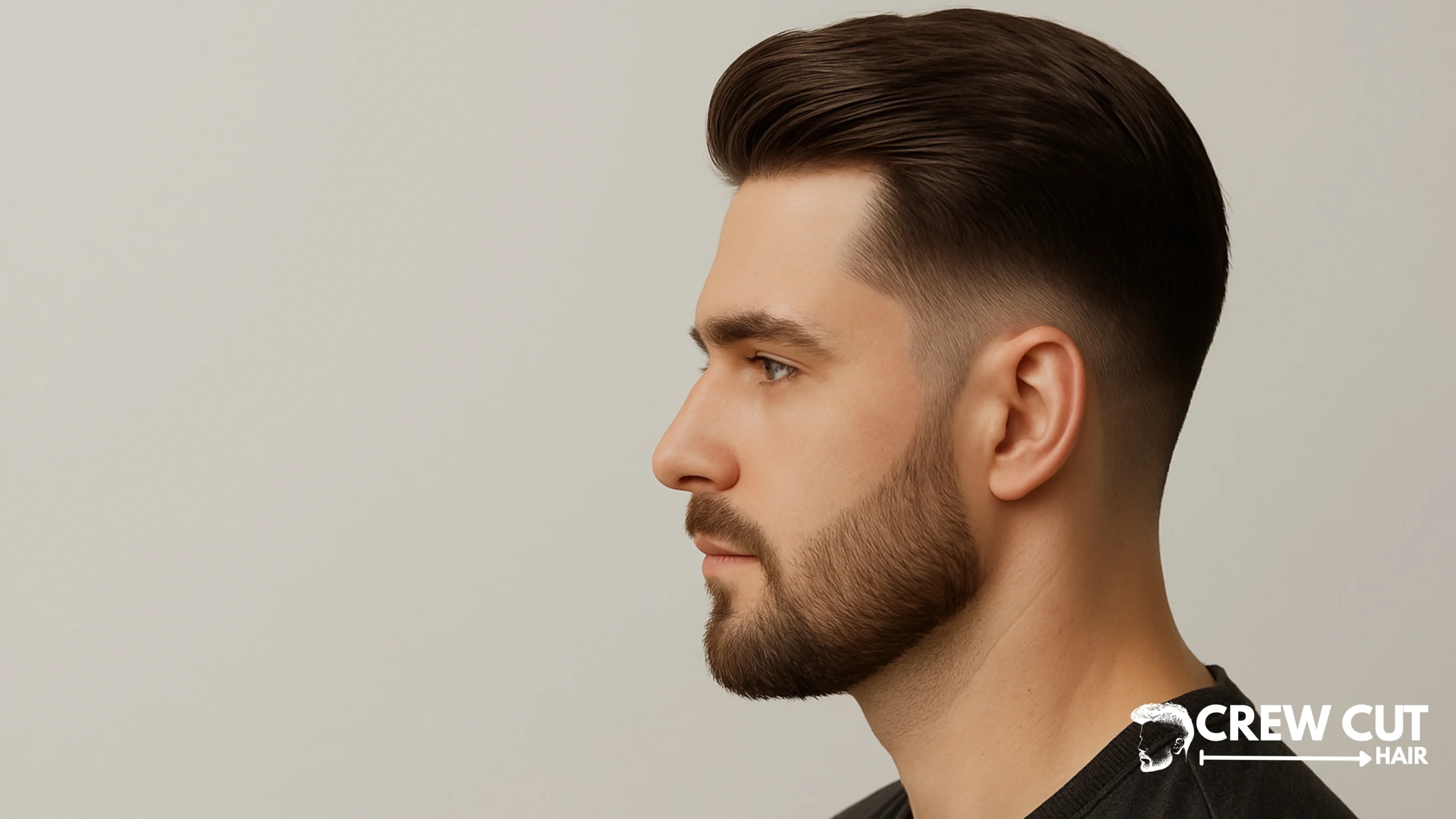
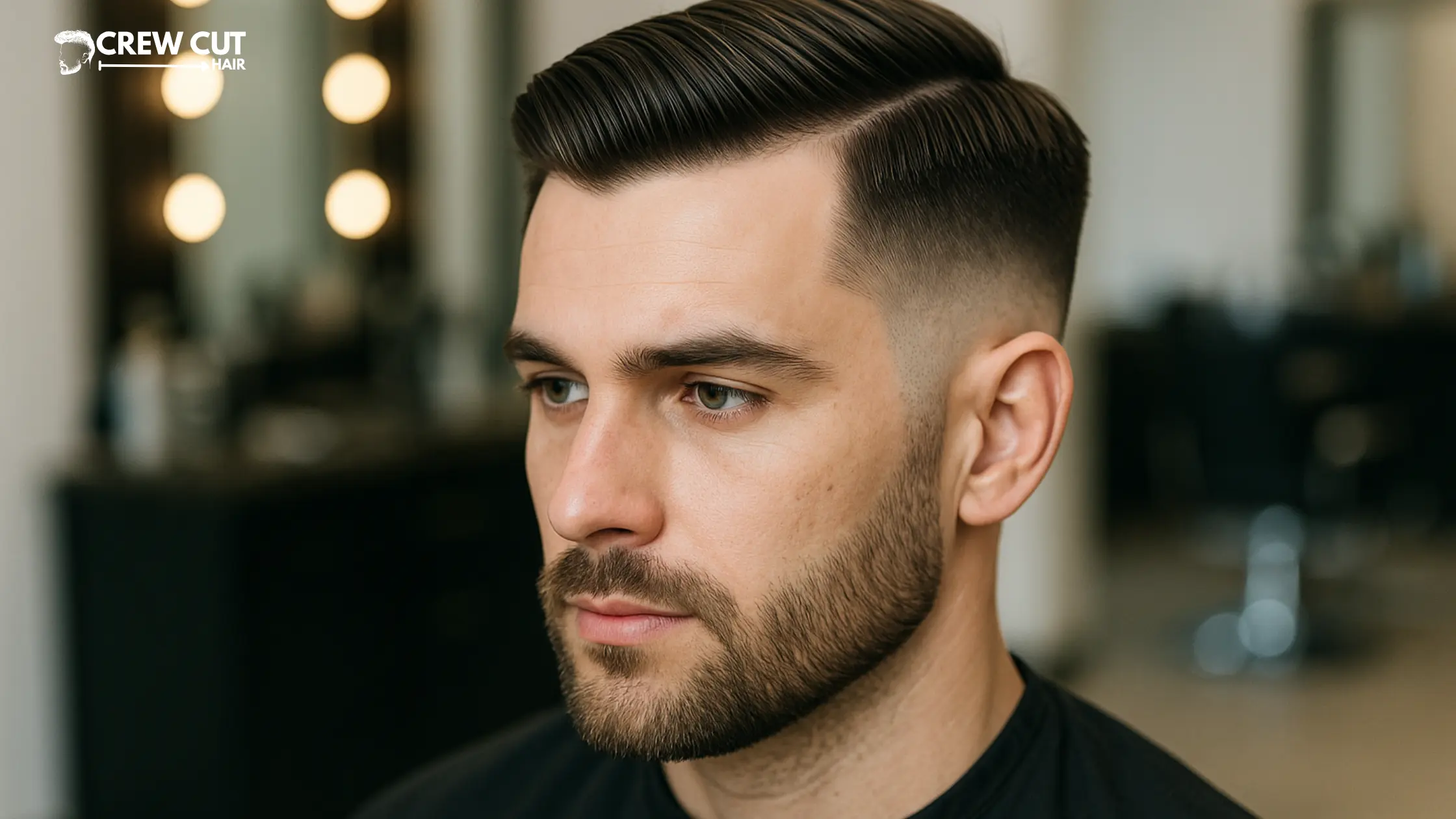
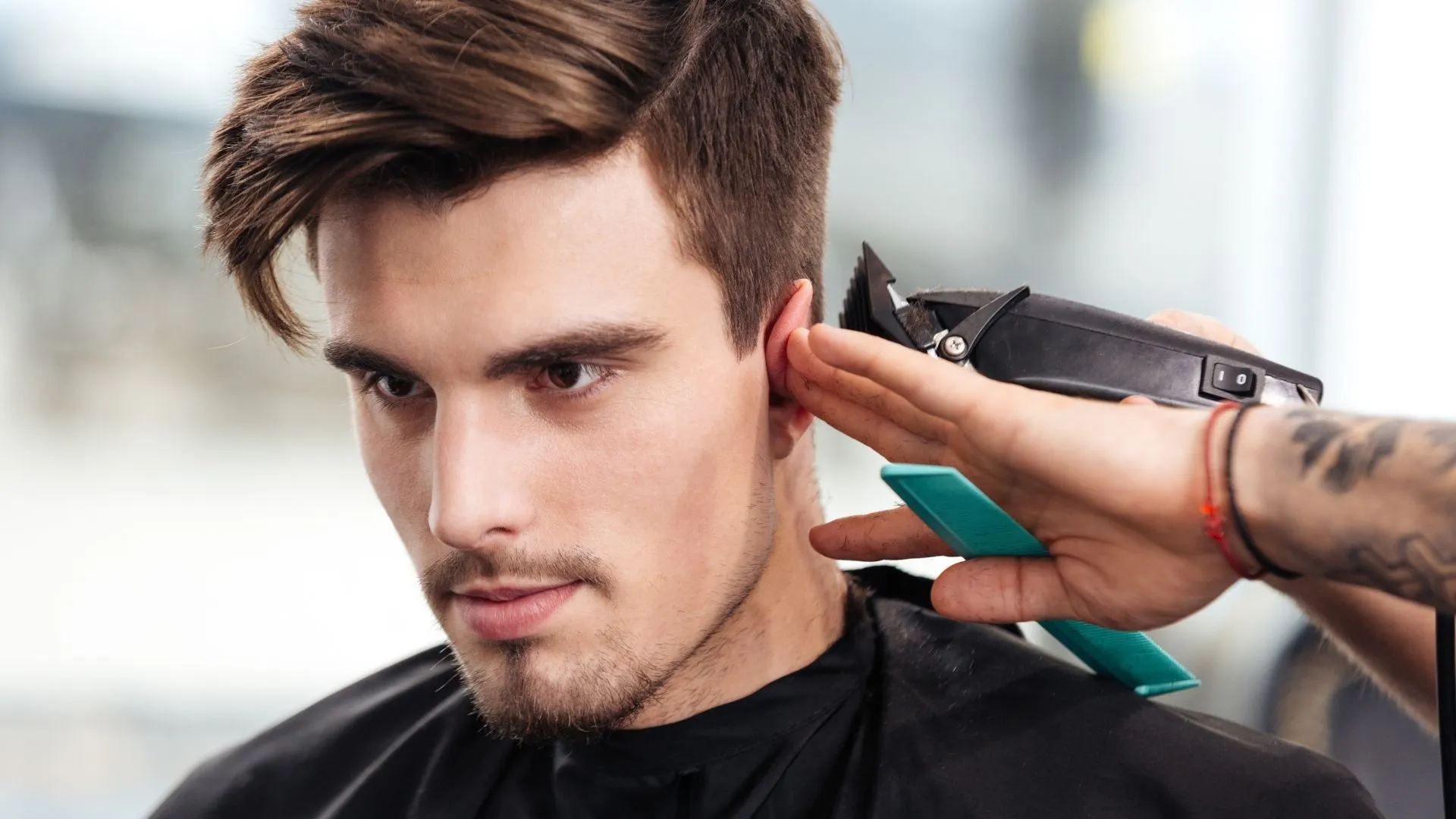
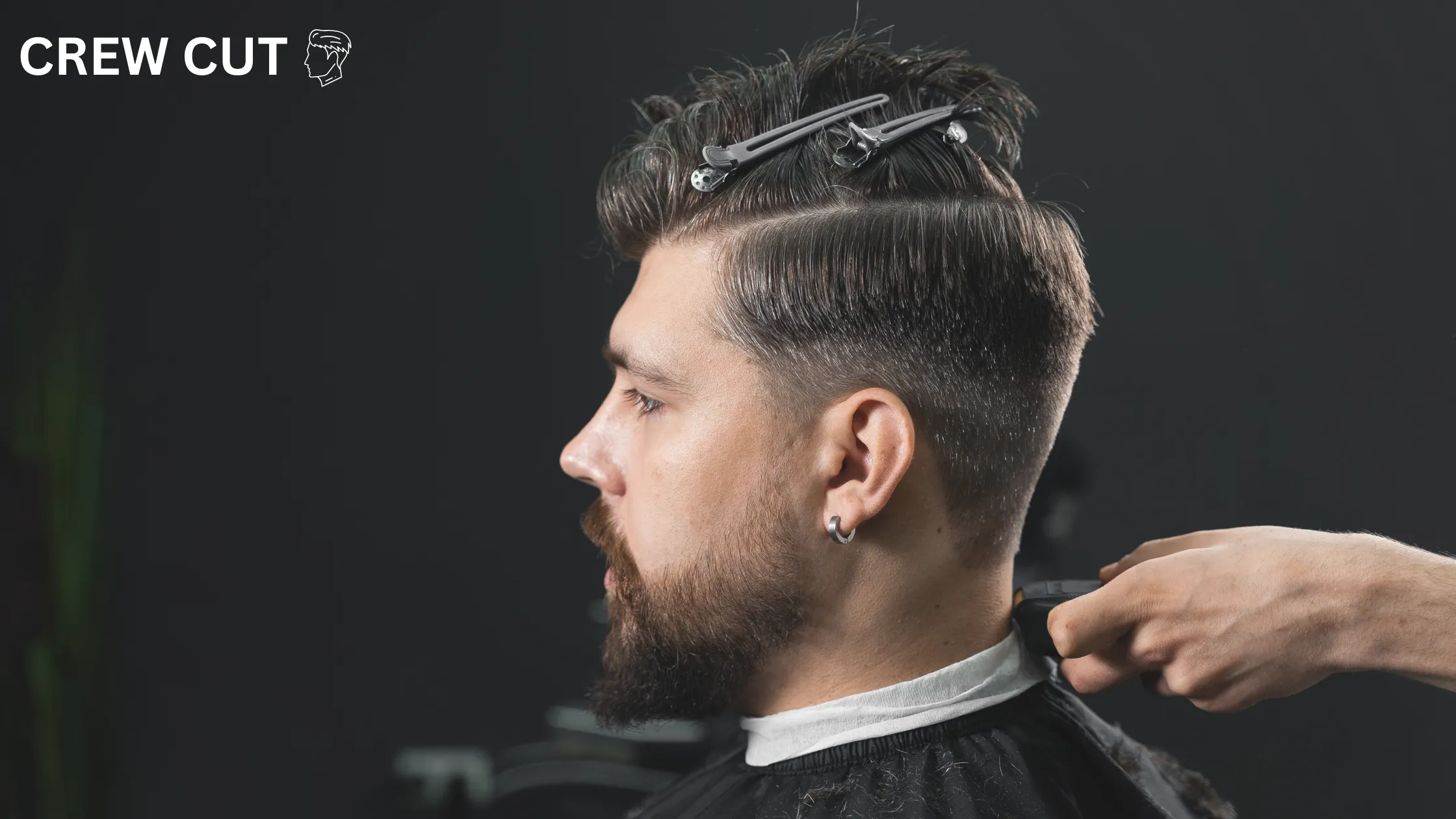
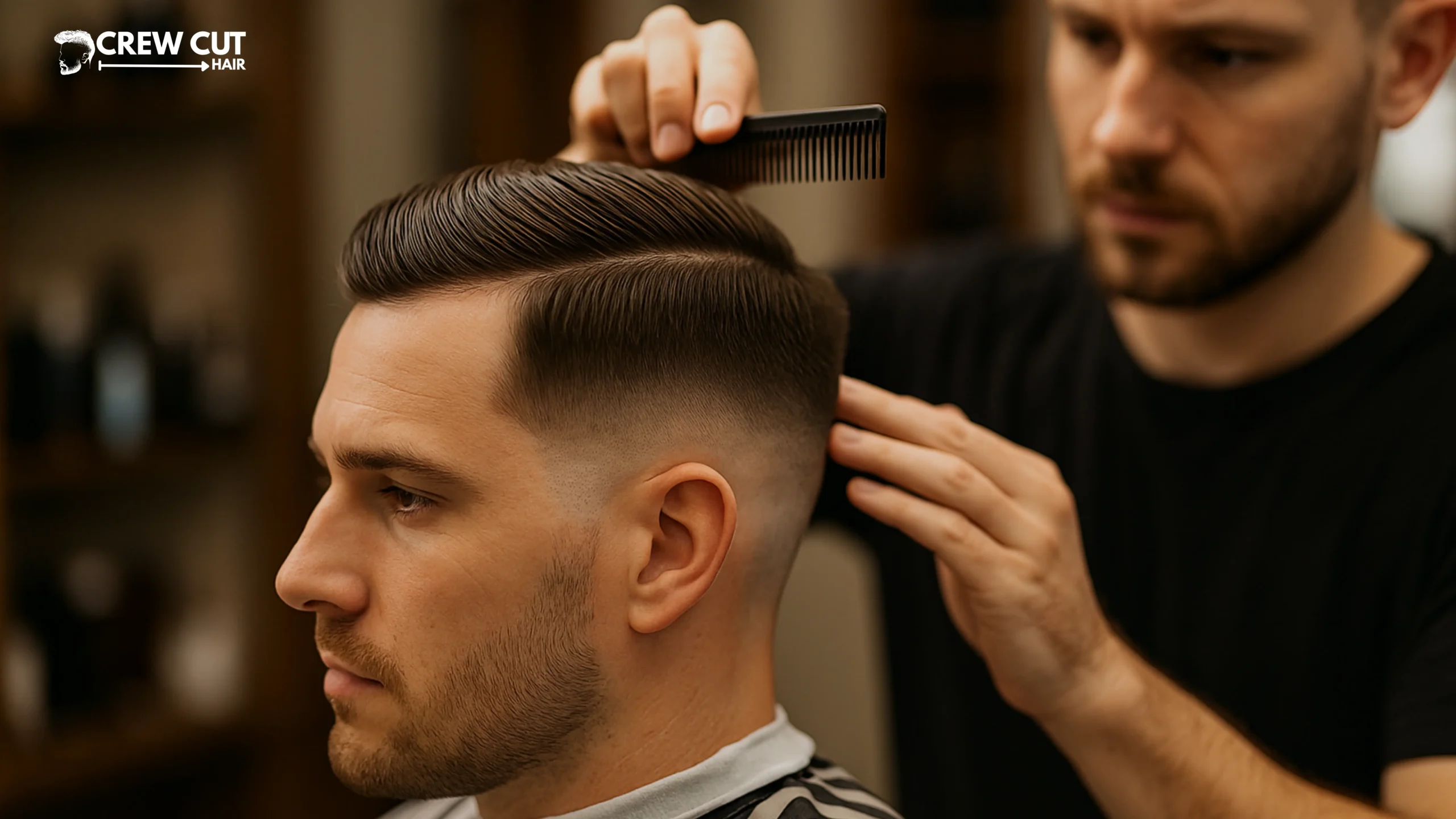
A mid fade comb over is a short back and sides with the blend starting at mid fade height near the temple. The base is very short, often a skin fade base or zero guard base. The blend climbs through the mid section into longer lengths at the parietal ridge blend. The top stays longer and sweeps to one side with a clean comb line and light fringe lift. The neckline is a clean neckline taper and the ear outline cleanup keeps the profile tidy.
Why this style works
The style trims bulk where most heads swell, which is near the ears and temples. The mid placement keeps support at the ridge so the head does not look narrow. The comb over adds direction so the haircut reads neat even with a soft finish. With a balanced occipital blend and corner weight near the ridge, the shape looks strong in photos and in mirrors.
Fade placement and shape
Mid means the blend begins around the temple, not low and not high. I set a clear guideline so both sides match. Too low and the sides puff by noon. Too high and the top loses support. A true mid fade height gives balance and a modern look.
-
Start point: temple height blend
-
Key bridge: parietal ridge blend for a smooth handoff to the top
-
Back profile: careful occipital blend so you do not see shelves in the rear view
-
Finish edges: clean neckline taper and ear outline cleanup for tidy grow out
Guard map and clipper path
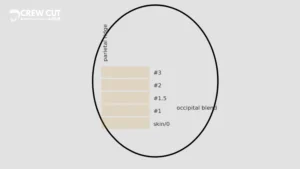
Here is the guard map I use on most heads. It is a reliable path that stays fully topical for a mid fade comb over.
-
Base: skin fade base or zero guard base. For a softer start, a half guard base works well.
-
Mid zone: number 1 guard, then 1.5 guard.
-
Upper sides: number 2 guard, sometimes 2.5 guard or number 3 guard to create support near the ridge.
-
Transitions: lever open and lever close to melt faint lines.
-
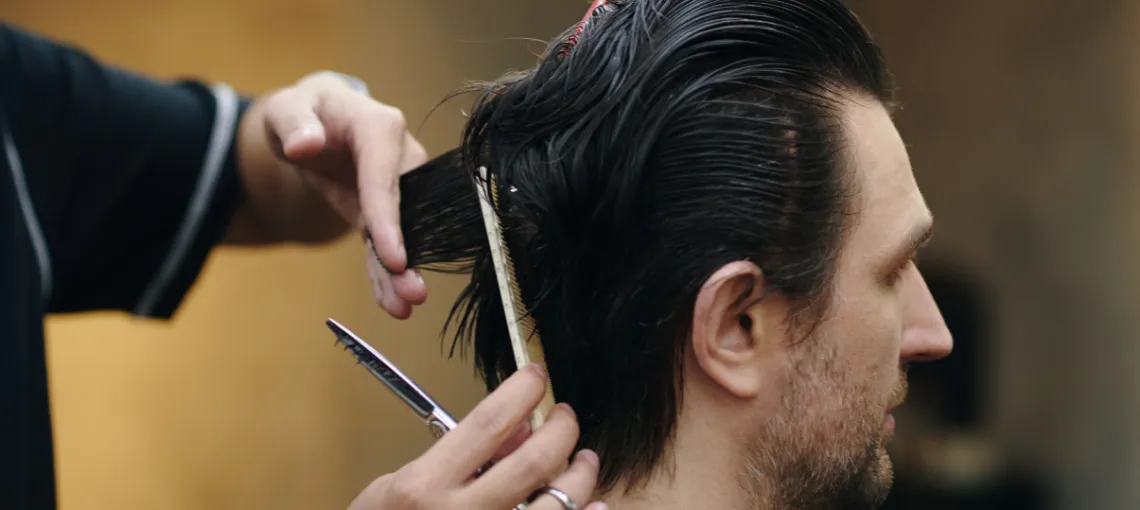
Detailing: clipper over comb to control weight at the ridge, then scissor over comb for a natural surface.
I step back often and check both profiles. Good blending is about light touch and even rhythm. I use short, flicking motions so the clipper does not dig. I swap angles to catch shadows that hide under overhead lights.
Top length and parting
Top length controls the sweep and the set. The sweet spot is simple.
-
top length 2 inches for a tidy sweep
-
top length 3 inches for clear shape and extra control
-
top length 4 inches for a small quiff and stronger fringe lift
I keep the fringe a touch longer than the crown so the front can lift and then settle. I protect corner weight at the ridge so the outline stays full. Around the part, I cut a clean base on the heavy side so the comb line reads sharp.
Part choices
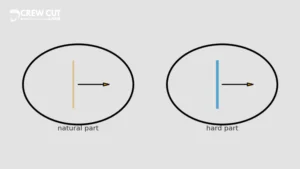
-
natural part: follows growth and ages soft
-
hard part: shaved split that speeds styling but needs more clean ups
Choose the path that matches your routine. If hair is very dense or stubborn, a hard part helps keep order. If hair falls into place on its own, a natural part is easy.
Consultation checklist in the chair
Before I cut, I map the head. I read bone points, crown pattern, and growth above the temples. I brush the hair back to find a natural split. I ask how you set your hair in the morning and how often you plan clean ups. These small facts decide the exact mid fade height, the guard steps, and how much top length I keep.
Step by step cut process
Base and guideline
I mark a neat base line through the middle zone. If you want contrast, I clear the base with a trimmer and foil. If you want a softer start, I open the clipper at a half. A clean line creates an even fade.
Building the fade
I move from number 1 guard to 1.5 guard to number 2 guard. I keep passes narrow and even. I follow head shape and keep symmetry between sides. Near the ridge, I often use a 2.5 guard or number 3 guard to support the top.
Blending and detailing
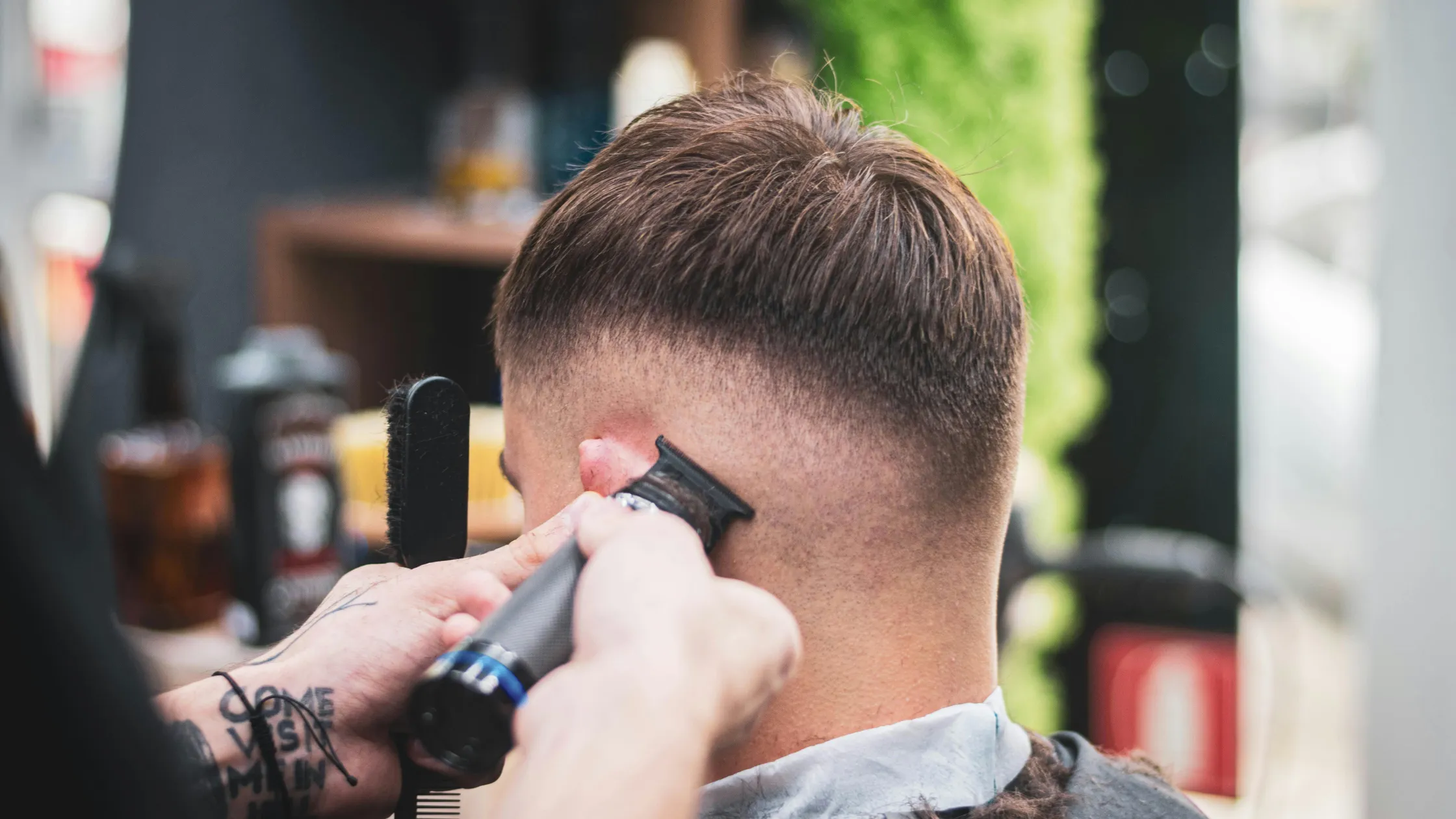
I use lever open and lever close to erase faint steps. I bridge with an in-between guard if density is high. I use clipper over comb to manage the ridge and scissor over comb to smooth the surface. I check the occipital blend so the back looks clean in daylight, not just under shop lights.
Neckline and ears
Most clients choose a clean neckline taper because it grows out well. A hard box can look strong on day one but shows a band as it grows. I finish with an ear outline cleanup so hats and headphones do not push fluff over the edge.
Blow dry set at home
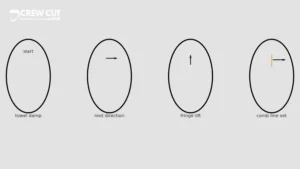
You can set this style with air and direction. No need for a long routine.
-
Start with towel damp hair.
-
Use a vent brush or wide comb.
-
Dry the roots first while you guide hair toward the chosen side. Root direction is the anchor.
-
Add light fringe lift by rolling the brush under the front and lifting as you dry.
-
Draw a clean comb line and let the hair cool for a few seconds so the set holds.
This blow dry set takes two to three minutes once you learn the motions. Dry roots give control. Dry ends give finish. Most problems come from leaving roots wet.
Variations that stay on topic mid fade comb over
Mid skin fade comb over
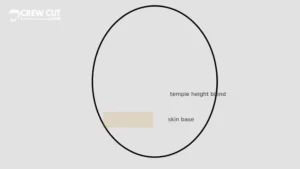
I take the base to clean skin with a foil shaver, then climb through 0, 1, 1.5, and 2 at true temple height so the contrast hits hard without stealing support. I protect corner weight near the ridge so the head does not look narrow from the front. Top length lives between two and four inches with a clear comb line and light fringe lift. Works great on straight or wavy hair and pairs with a sharp beard outline. Expect tidy-ups every two to three weeks to keep the skin base crisp and the neckline taper clean.
Drop mid fade comb over
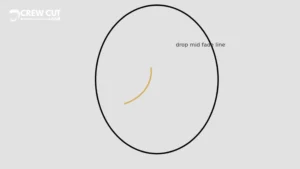
The blend line drops a little behind the ear to follow head shape. This adds a sculpted side view and keeps support in the back. It works well on heads with strong curves and on wavy hair.
I start the blend at mid height near the temple, then curve the guideline behind the ear to create a gentle drop that follows head shape. The clipper path steps 0, 1, 1.5, and 2, with 2.5 or 3 around the back to keep the profile full. This shape hides shelves in the occipital area and flatters round heads or wavy hair because it respects natural flow. Keep two to four inches on top for a controlled sweep and steady comb line. Choose a natural part for a relaxed look or a hard part for quick morning styling.
Textured comb over
I use point cutting and small channels on dense hair. The surface shows movement without losing the clean sweep. The mid placement still reads balanced.
If you get guide for high fade comb over to click here
Sleek comb over
I keep the surface smooth and the corners full. The outline looks classic. The same guard map and mid height keep the style in the target zone.
Adjustments by hair type
Straight hair comb over
Straight hair shows the cleanest comb line. I focus on root direction during the blow dry set and protect a little extra corner weight so the outline stays full.
Wavy hair comb over
I cut with the pattern and leave a touch more top length so the sweep shows motion. A drop mid fade comb over follows the head and respects the bend.
Thick hair debulking
I remove weight in swell zones and keep support near the ridge. Controlled debulking helps air set the shape without a fight.
Fine hair lift
I hold more length at the fringe than the crown and avoid pushing the fade too high. Root direction during drying gives lift without heavy hold.
Receding hairline comb over
I shift the part to the strongest area and keep the sides tight so the eye reads a clean outline first. With the right top length, the result looks modern and confident.
Adjustments by face shape
-
round face comb over: true mid height with extra fringe lift to add visual length
-
square face comb over: sharp temple work and a clean outline with light top texture
-
oval face comb over: most versions work, check forehead height before setting lift
-
long face comb over: calmer top with a touch more support near the ridge to avoid extra length in the mirror
Problems I fix often
Top cut too short. At one inch the hair spikes or collapses. Keep at least top length 2 inches for a clean sweep.
Fade pushed too high. When the blend climbs near the crown, the head looks narrow. Keep mid fade height truly mid.
Crown control ignored. Cut with the pattern using small snips so the crown does not stand up.
Roots left wet. The style falls by lunch. Dry roots first, then finish the ends.
Harsh nape box. Looks sharp day one and harsh by day seven. A clean neckline taper grows out better.
Stories from the chair
A teacher with a low blend felt puffy by noon. I raised it to a true mid, kept three inches on top, and set a natural part. After I taught the blow dry set, he returned two weeks later and said his morning time dropped and the look held through the last bell.
A new dad with thick waves wanted control that still looked relaxed. I kept the upper sides around a 2.5 guard for support, opened the profile with a smooth occipital blend, and left top length 3 inches with texture. He said the sweep still looked set after a hot day.
A sales manager with fine hair said high blends made his head look narrow. I placed a mid fade with a number 1 guard into a number 2 guard and left extra length at the fringe. We drilled root direction and a quick comb line. He said he stopped fighting his hair by late afternoon.
How to brief your barber
Speak in clear terms that match the topic. Say you want a mid fade comb over at temple height. Ask for a base that starts at skin or zero, blended through number 1 guard, 1.5 guard, and number 2 guard, with support at 2.5 or number 3 guard near the ridge. Keep top length between 2 and 4 inches with a light fringe lift and a clean comb line. Choose a natural part or a hard part. Bring one photo that shows front and side so both of you see the same target.
Maintenance and clean grow out
A mid fade comb over stays sharp on the sides for about two to three weeks. Book a quick cleanup to keep the outline crisp. The top usually needs a reshape every four to six weeks. Rinse on off days and do a short blow dry set to reset direction. A clean neckline taper and regular ear outline cleanup make the grow out look neat between visits.
Why this cut is a safe daily choice
The style is balanced, fast to set, and easy to wear. The guard map is simple. The fade lives at mid height where it flatters most heads. The top length range is clear. The part choices are simple. The home routine is quick. When the basics are right, the haircut works for long workdays and still looks fresh at night.
Conclusion
The mid fade comb over is a single clear idea done well. Keep the blend truly mid. Use a clean guard path. Protect top length so the sweep holds. Draw a steady comb line. Dry roots with direction so the set lasts. If you follow these steps, you will walk out each day with a sharp, reliable look that fits work, school, and weekends without extra effort.